On with Kara Swisher: Venezuela After Maduro, Can Trump Control Caracas From Afar?
The arrest of Venezuelan President Nicolas Maduro, on Saturday, sent shockwaves across the globe. And although the targeted military operation was a success, th
Current Access Level “I” – ID Only: CUID holders, alumni, and approved guests only
Explore our expert insights and analysis in leading energy and climate news stories.
The arrest of Venezuelan President Nicolas Maduro, on Saturday, sent shockwaves across the globe. And although the targeted military operation was a success, th

Get the latest as our experts share their insights on global energy policy.
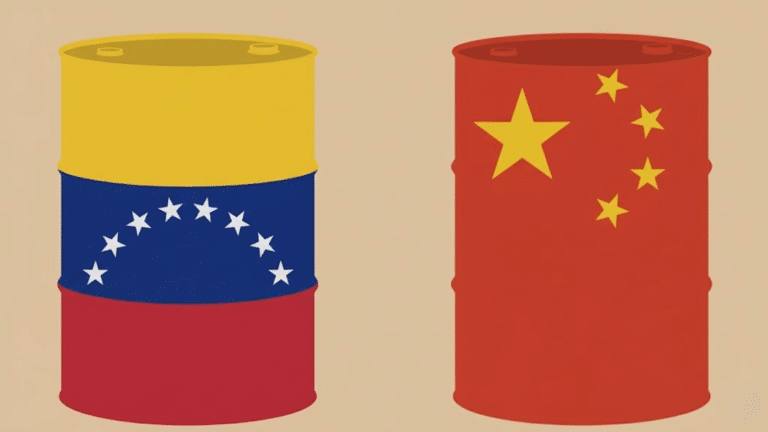
The US intervention in Venezuela may jeopardize both the flow of discounted Venezuelan oil to China's teapot refineries and the role of Chinese oil companies in Venezuela’s upstream business.
Hear in-depth conversations with the world’s top energy and climate leaders from government, business, academia, and civil society.
Early on January 3, 2026, the United States apprehended Venezuelan President Nicolás Maduro and his wife and removed Maduro from power. Maduro was transported to New York, where he now faces federal charges of narco-terrorism and drug trafficking.

Find out more about our upcoming and past events.
On January 1, 2026, the European Union's highly-anticipated Carbon Border Adjustment Mechanism (CBAM) will take effect. Introduced in 2023, CBAM will require the importers of certain carbon-intensive goods...
For years, Washington State has been a battleground over carbon pricing, with advocates of the idea suffering one defeat after another. But that’s no longer the case now that the state legislature has passed a cap-and-trade bill that some supporters say will set the gold standard for addressing climate change in the United States.
In this edition of Columbia Energy Exchange, host Bill Loveless is joined by Mike Stevens, the Washington State director of The Nature Conservancy, a global environmental organization and one of the key players in the passage of the new Climate Commitment Act.
The bill is designed to reduce Washington State’s carbon emissions to net zero by 2050 through increasingly stringent restrictions on the state’s 100 biggest sources of emissions. They include refiners, gas utilities and Boeing, the world’s largest aerospace company.
If Governor Jay Inslee signs the bill as expected, Washington will become the second state after California with a comprehensive cap-and-trade system.
Once it takes effect in 2023, the Washington measure is forecast to raise $460 million in its first full year and at least $580 million annually by 2040, according to a report in the Seattle Times. That’s money that would be spent on a broad range of activities that include restoration of marine and fresh waters, forest health, renewable energy and public transportation. Some would be set aside to assist workers and low-income residents move to a clean-energy economy.
It’s those plans that prompt supporters of the measure to call it “cap and invest” rather than cap and trade.
Mike has headed the Washington State chapter of the organization since 2012. He brings more than 20 years of experience in conservation, sustainable agriculture and field science to his role as state director. Previously, he was a western sheep rancher and land manager.
Mike and Bill talked about the elements of this new law and how they would work, as well as the political dynamics that enabled success for its supporters after so many setbacks. They also delve into some of the features of this bill that distinguish it from other carbon proposals. Among them is a focus on environmental justice.
Early on January 3, 2026, the United States apprehended Venezuelan President Nicolás Maduro and his wife and removed Maduro from power. Maduro was transported to New York, where he now faces federal charges of narco-terrorism and drug trafficking.
This has been a crucial year for US energy policy. The passage of the One Big Beautiful Bill Act eliminated many of the clean energy incentives that were...

Over the past week, President Trump has intensified pressure on Venezuelan president Nicolás Maduro by targeting the regime’s economic lifeline—oil. The United States has seized two oil tankers...

If it seems like you're hearing a lot more about geothermal energy lately, that's because this clean, firm energy source is at a technological turning point. With roots...

The US intervention in Venezuela may jeopardize both the flow of discounted Venezuelan oil to China's teapot refineries and the role of Chinese oil companies in Venezuela’s upstream business.
In discussing the dramatic seizure of Venezuelan President Nicolás Maduro and his wife, Cilia Flores, over the weekend, President Donald Trump declared that the United States would now “take back” the country’s oil. Yet he has offered little clarity on what exactly this means.
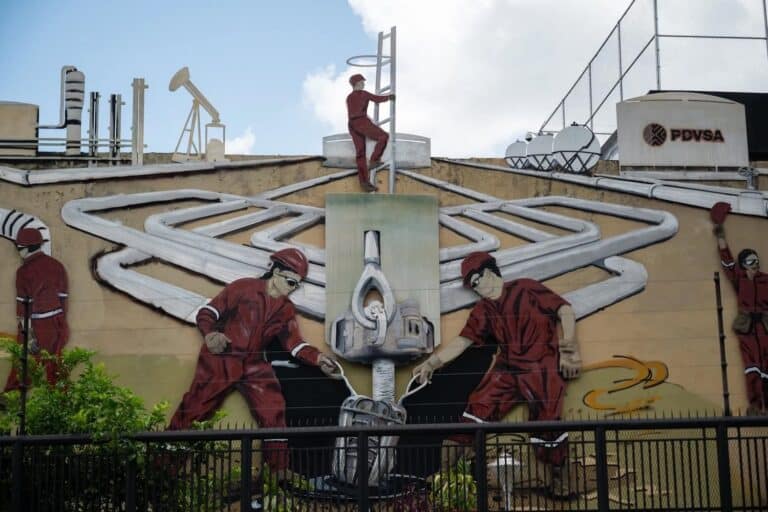
The country could see a relatively rapid recovery of some oil production, depending on the leadership that emerges.
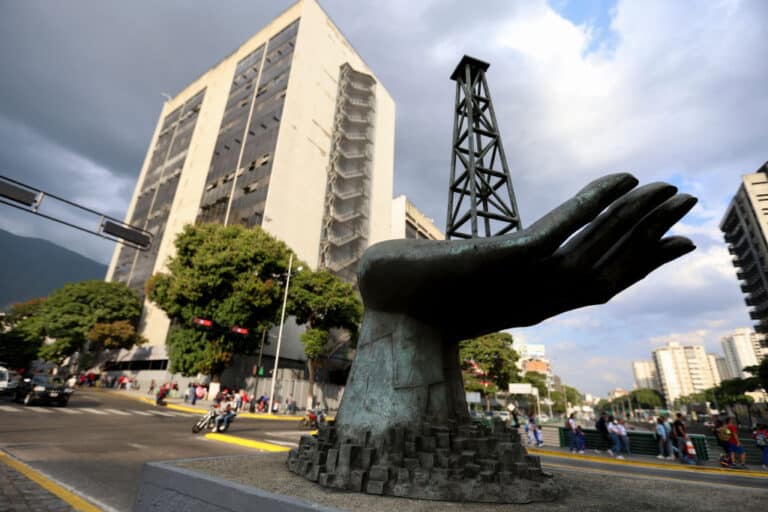
Early on 3 January 2026, the United States launched a military operation to arrest President Nicolás Maduro and remove him from Venezuela.