Did Carbon Actually Score A Quiet Win In Congress?
When Congress approved the Fiscal Year 2026 spending bills last month, many in the carbon sector braced for cuts but reality appears more optimistic.
Current Access Level “I” – ID Only: CUID holders, alumni, and approved guests only
Get the latest as our experts share their insights on global energy policy.
The United States is at a rare inflection point for nuclear energy, with unprecedented momentum behind deployment and regulatory reform as nuclear becomes central to energy security, AI competitiveness, and state and corporate climate goals.
Hear in-depth conversations with the world’s top energy and climate leaders from government, business, academia, and civil society.
With electricity prices on the rise, the future of our power grid is attracting a lot more attention. Surging demand is at the center of the story, but...
Find out more about our upcoming and past events.
This workshop will be conducted in two parts: Part one on February 16 from 1:00 PM to 2:00 PM EST, and Part two on February 18 from 1:00 PM to...

Upon returning from COP28 in Dubai late last week, the need to address the energy needs of the developing world is more pressing now than ever before. My conversations with leaders from across the globe at COP made it abundantly clear that the energy transition cannot be achieved without simultaneously providing energy access and security to the billions of people across the world still living in energy poverty. We must continue to prioritize energy accessibility —such as expanding energy access and alleviating energy poverty—as we focus on how to mitigate the effects of climate change and slow the rise of temperatures globally.
Equity and justice are core to the mission of the Center on Global Energy Policy (CGEP) at Columbia University SIPA. A year ago at COP27, CGEP launched the Energy Opportunity Lab (EOL), an innovative program to address energy insecurity and inequity across both developed and developing economies. A few weeks prior to COP28, CGEP hosted its inaugural Energy Opportunity Forum to discuss solutions for energy insecurity in the United States and how to unlock clean energy finance across the African continent.
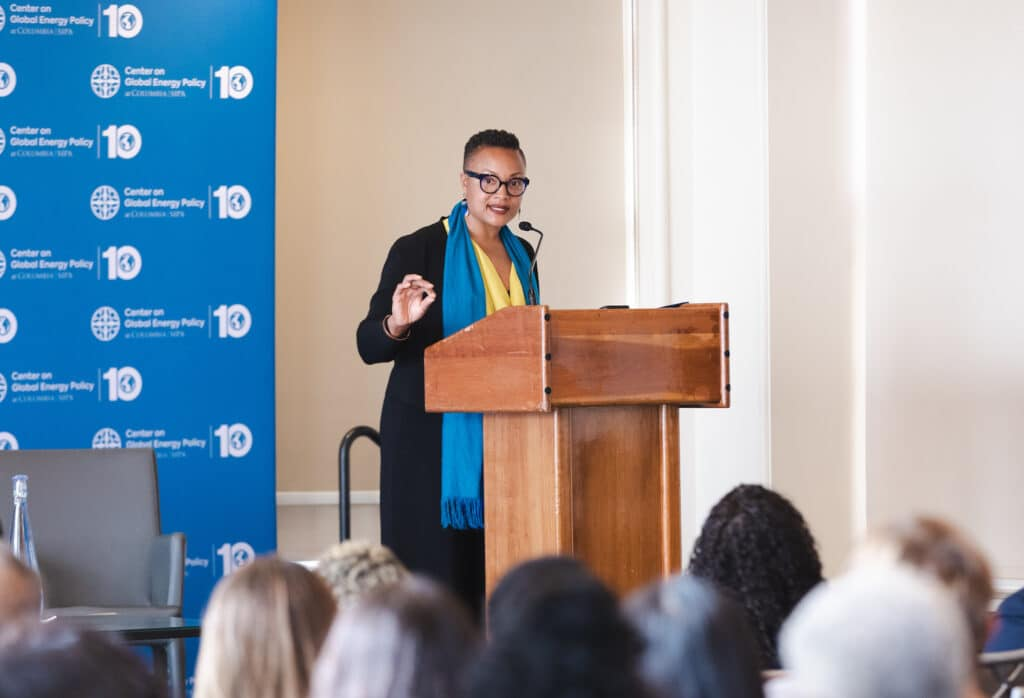
The Energy Opportunity Forum was the culmination of almost a year of hard work from our EOL team. Led by Co-Directors Dr. Diana Hernández and Andrew Kamau, the forum brought together over 150 attendees and participants, including researchers and students from across Columbia University, and featured local, federal, and international experts leading work on energy poverty, insecurity, and justice.
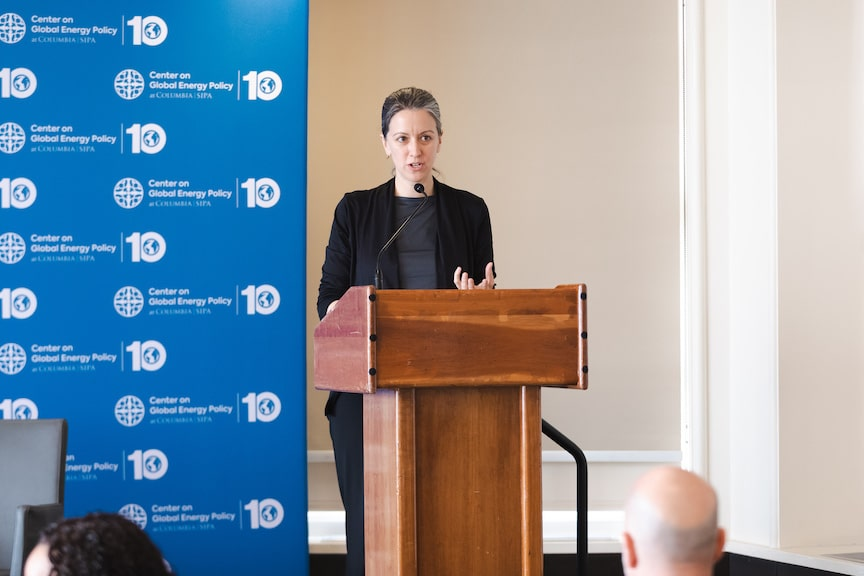
CGEP’s Senior Director of Research, Melissa Lott, kicked off the forum by highlighting global improvements in health and quality of life over the past 50 years, while noting that hundreds of millions of people still lack access to electricity, and energy services remain unreliable for billions more.
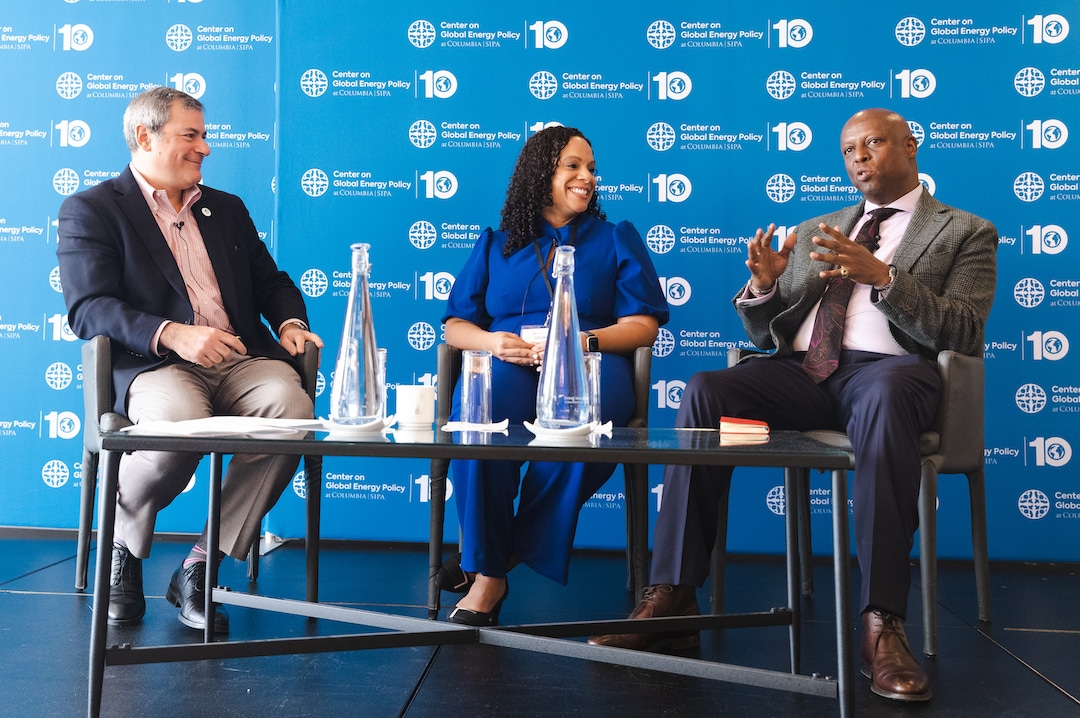
I moderated a discussion with our EOL Co-directors Dr. Diana Hernández and Andrew Kamau. Our conversation highlighted the Lab’s focus on actionable research, with clear pathways to translate findings into policy and practice. The discussion revealed Diana and Andrew’s wide range of expertise. One key insight they shared with me was the importance of quantifying the scope and scale of lacking energy access, and of building trust between community organizations and research institutions. They also emphasized the important role academics can play in bringing ethics and integrity to research.
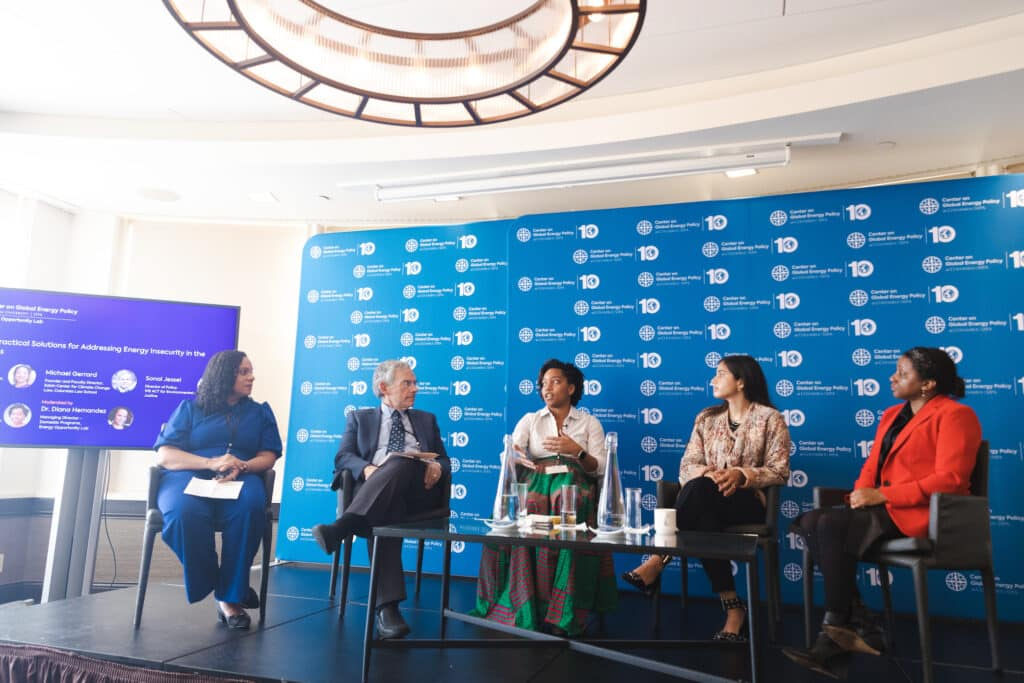
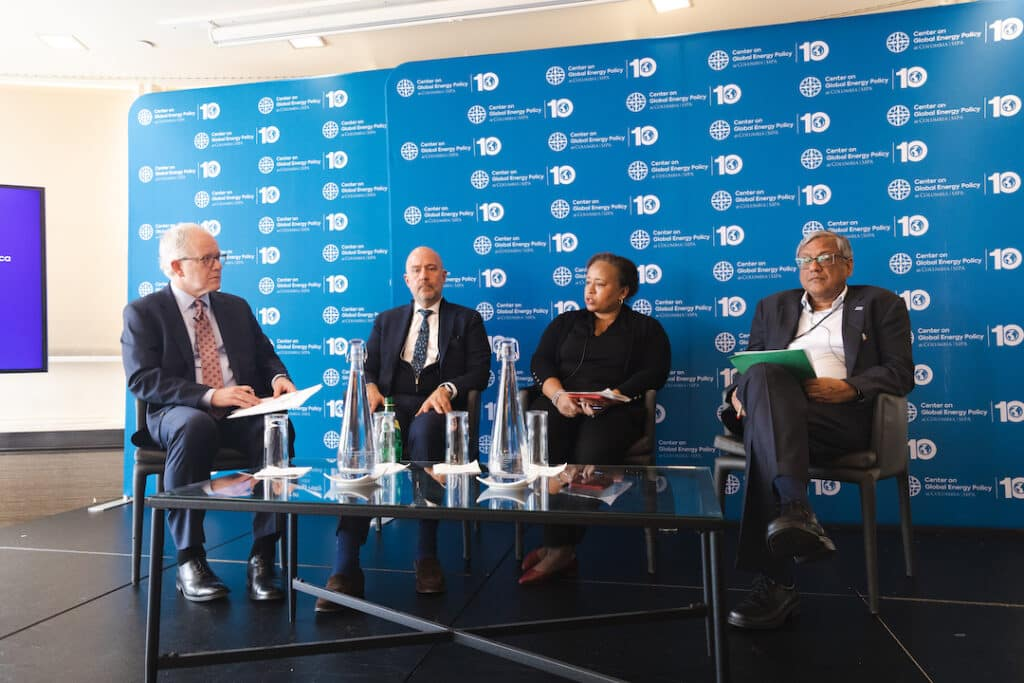
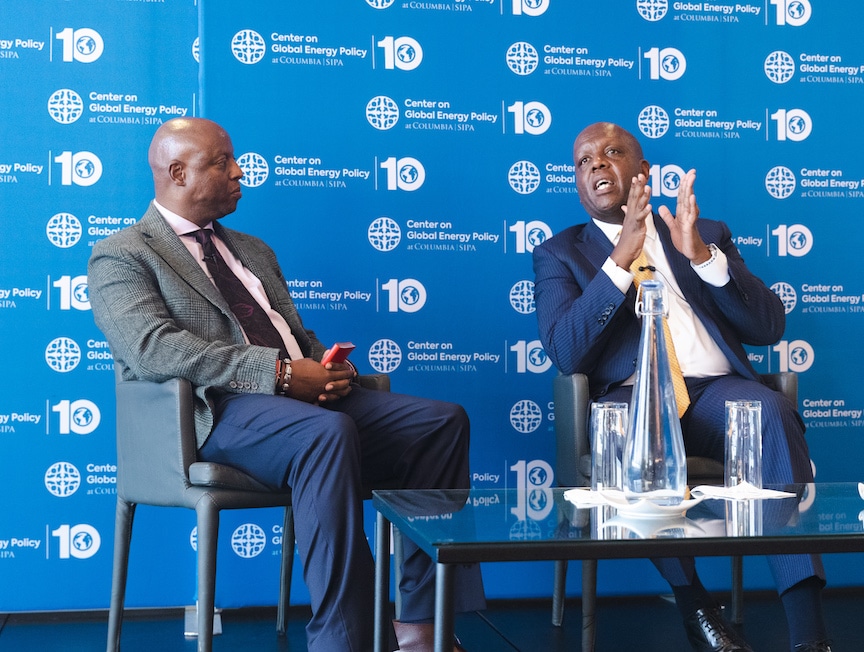
The half-day program showcased some of the leading voices in energy access, justice, and equity, including:
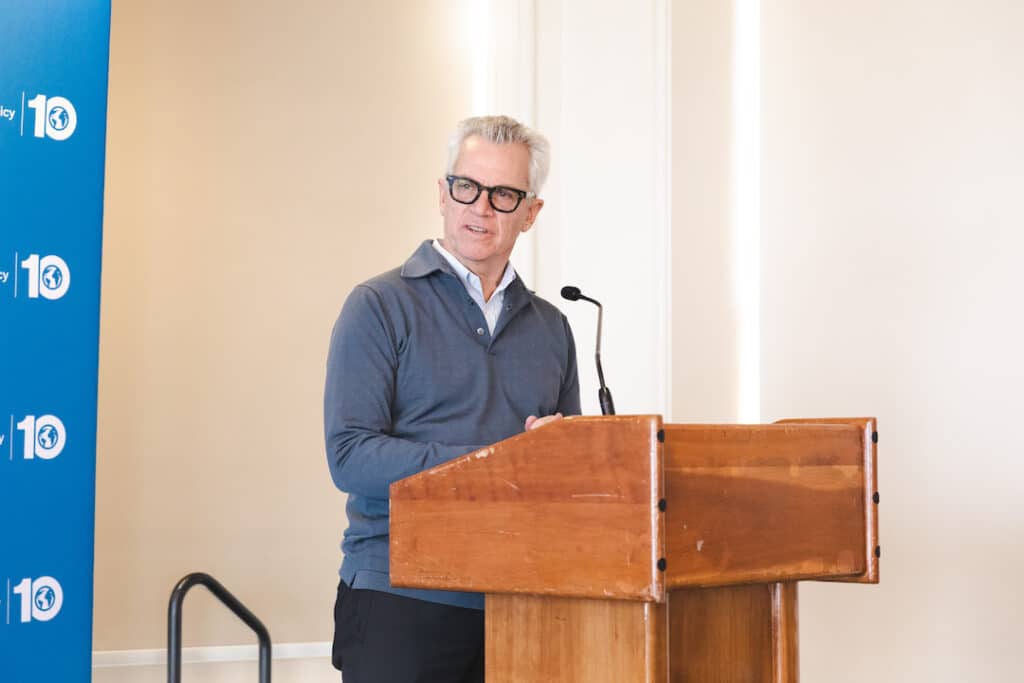
Matthew Harris—founder of bedari collective, founding partner at Global Infrastructure Partners, and chair of the CGEP Advisory Board—brought the event to a close. Matt spoke eloquently on the centrality of energy access as both a humanitarian and a climate issue. Expanding it, he said, would help build a thriving global community, and would be key to navigating the complexities of global decarbonization and the energy transition.
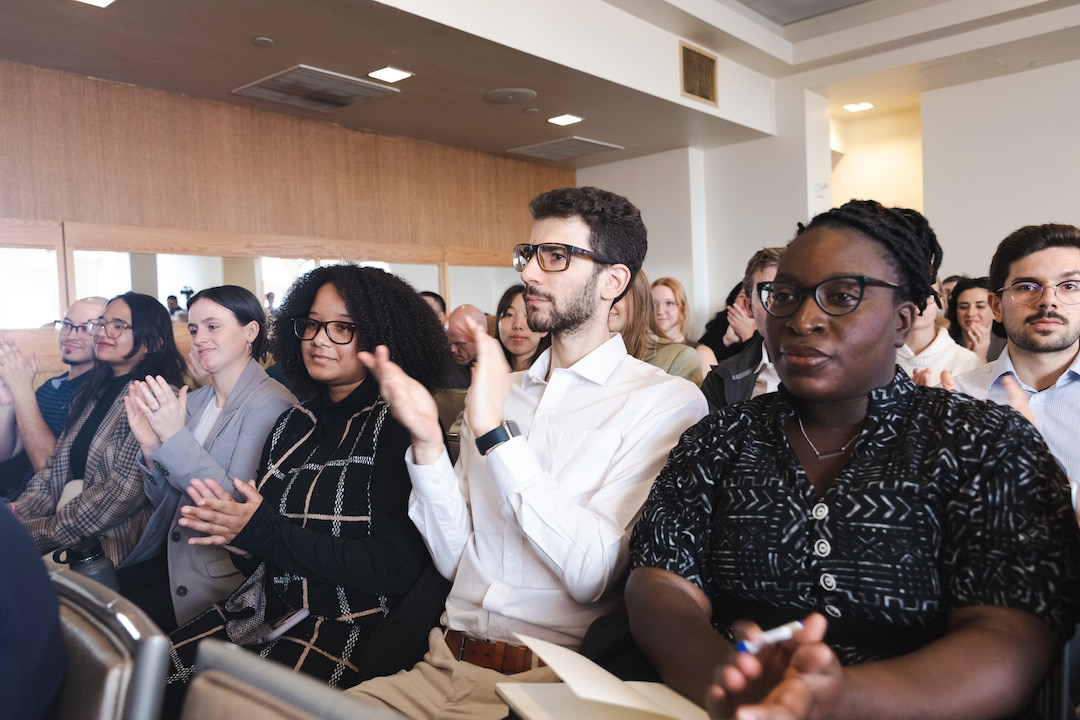
One thing that stood out to me personally at the Energy Opportunity Forum was the enthusiasm of our diverse community that came together to be a part of these critical and timely conversations. The event laid bare the tremendous concern and enthusiasm in the Columbia community for solving these challenges. Seeing how this topic resonated so closely with those in attendance was a special moment for me as Founding Director of CGEP—particularly in the Center’s tenth year of existence.
It goes without saying that none of this could have been possible without CGEP’s outstanding EOL leadership, Co-Director’s Diana Hernández and Andrew Kamau, and the tireless work of Senior Research Associate Vivek Shastry (who I would also add served as an outstanding Master of Ceremonies for the Forum’s program) and Research Associate Qëndresa Krasniqi.
Energy opportunity, justice, and equity sit at the heart of the energy transition, and with COP28 coming to a conclusion, the themes and conversations discussed at the Energy Opportunity Forum will be a key determining factor in the success of the global energy transition. CGEP and the Energy Opportunity Lab are working to be at the forefront of these issues, and will continue to develop actionable solutions to these challenges in the years ahead.
Editor's Note: This story was completed as part of the Journalists in Aging Fellows Program organized by the Gerontological Society of America and the
Nearly one-third of U.S. households consider cost before turning on a heating system during winter or powering up a cooling system during summer, potentially endangering their health.
Sweltering summers are making an AC a lifesaving device. But despite the heatwaves, millions of Americans simply can't afford it.
Con Edison, city’s monopoly utility, cut off 88,000 households in first half of 2025 as climate crisis drives extreme temperatures
Most African countries today are faced with a dual challenge: how to industrialize and expand electricity access at the same time.
Artificial intelligence is driving a massive technological transformation that is already reshaping many aspects of daily life.

30 years ago last month, a brutal heatwave struck Chicago, killing more than 700 residents. As the city and much of the United States recently experienced another period of extreme heat, this anniversary serves as a reminder that heat remains one of the deadliest climate-related hazards — killing more people each year than hurricanes, floods and tornadoes combined — particularly for communities burdened by decades of disinvestment and structural barriers to health and safety.
