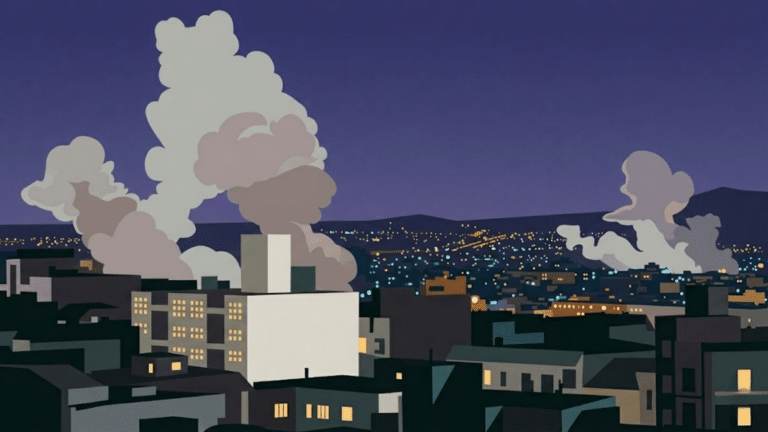
Trump has only one real option to slash gas prices
The energy crisis is a financial nightmare for Main Street and a political nightmare for the White House.
Get the latest as our experts share their insights on global energy policy.
Many analyses of what the conflict in the Middle East means for China's energy security have rightly focused on China's oil and natural gas imports from the region.
Hear in-depth conversations with the world’s top energy and climate leaders from government, business, academia, and civil society.
The Iran crisis is in its 80th day. Right now, roughly 1,500 vessels laden with oil, natural gas, fertilizers, and oil products sit trapped in the Persian Gulf...

CGEP hosted a discussion with Meghan O’Sullivan, Professor of the Practice of International Affairs and the Director of the Geopolitics of Energy Project at Harvard University’s Kennedy School, former Special Assistant to President George W. Bush, and former Deputy National Security Advisor for Iraq and Afghanistan. Dr. O’Sullivan discussed her new book, Windfall: How the New Energy Abundance Upends Global Politics and Strengthens America’s Power.
The Iran crisis is in its 80th day. Right now, roughly 1,500 vessels laden with oil, natural gas, fertilizers, and oil products sit trapped in the Persian Gulf...
Much of the world’s attention today is understandably focused on conflict in the Middle East, and the immediate implications for energy markets and global security. But other regions...

In moments of geopolitical crisis, energy is never just a backdrop. It's often at the center of the story. Today, as conflict involving Iran sends shockwaves through global...

It has been a tumultuous 24 hours for the global energy landscape. Yesterday, the United Arab Emirates sent shockwaves through the oil industry by announcing its withdrawal from...

The White House declared last week that President Trump finally "broke OPEC" after the United Arab Emirates withdrew from the cartel.
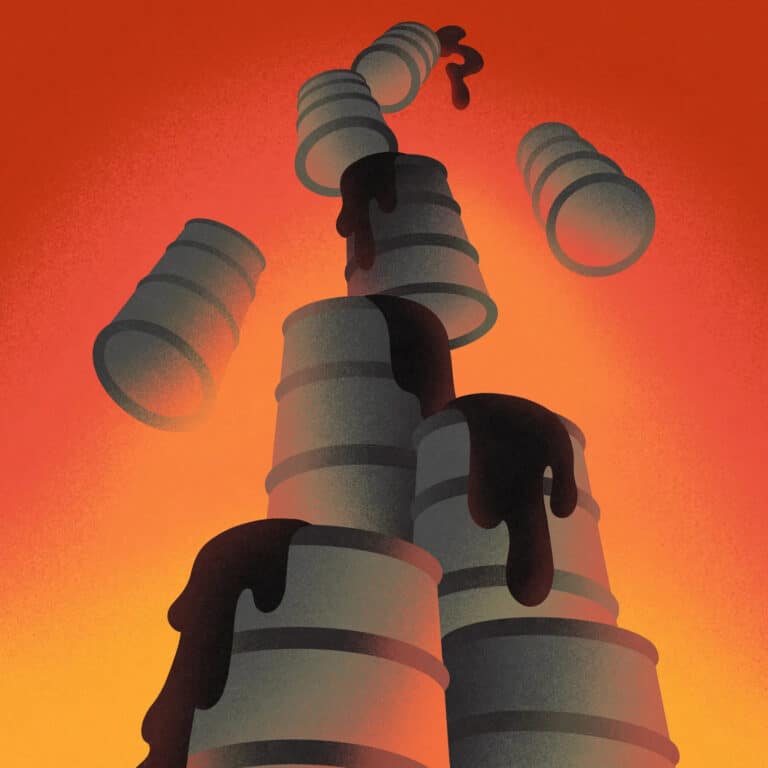
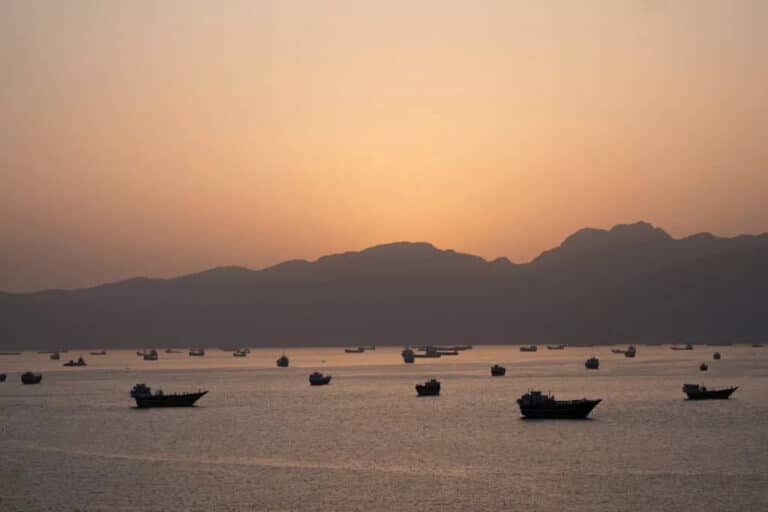
The US blockade of tankers serving Iran's oil exports is intended to cut Iranian oil exports to near-zero.
On February 28, the US and Israel launched new attacks on Iran targeting primarily the country's leadership, security forces, and missile program.