This website uses cookies as well as similar tools and technologies to understand visitors’ experiences. By continuing to use this website, you consent to Columbia University’s usage of cookies and similar technologies, in accordance with the Columbia University Website Cookie Notice.
Energy Explained
Get the latest as our experts share their insights on global energy policy.
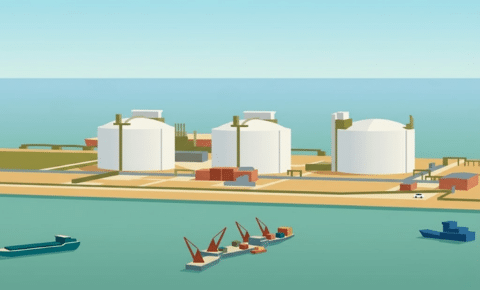
European Gas Storage: The World’s Winter Buffer Is Dwindling
Europe is entering the 2026 gas injection season with its lowest level of gas in storage since 2018.
Podcasts
Hear in-depth conversations with the world’s top energy and climate leaders from government, business, academia, and civil society.
Ian Bremmer on Navigating a Fragmenting World
The global order that shaped the past several decades is giving way to a more fragmented and uncertain world. Long-standing alliances are under strain, economic integration is giving...

Podcast
The View from the UAE’s Leading Energy Company: ADNOC
December 16, 2019
The United Arab Emirates, especially Abu Dhabi, is a crucial player on the global energy stage. The UAE is one of the world’s 10 largest oil producers and a critical member of OPEC, the Organization of Petroleum Exporting Countries. It is also an important player in a critical region of the world that’s been riven by geopolitical tensions of late. The UAE’s hydrocarbon production has supported a dramatic economic expansion that has turned it into an important financial and trading center. The UAE has also diversified its energy investments, focusing on low-carbon options such as solar energy, carbon capture and storage, and other new technologies.
In this edition of Columbia Energy Exchange, host Jason Bordoff is joined by Omar Suwaina Al Suwaidi, who sits at the center of many of these developments as the Executive Office Director of the Abu Dhabi National Oil Company (ADNOC), a company where he has worked for nearly fifteen years. As part of its Executive Management team, he oversees operational and business development activities for the company’s vast oil and gas reserves.
State-run ADNOC is the main oil-producing company in the United Arab Emirates, supplying nearly 3% of global oil demand. Crude oil remains the centerpiece of the company’s operations, and ADNOC has sought to remain competitive in a busy market by improving efficiency, applying cutting edge technology, and reducing extraction costs. The company has recently announced sizeable new oil and gas reserves, and it has announced the goal of making the UAE self-sufficient in gas. It has also expanded its outreach to international investors and to foreign partners.
Jason sat down with Omar on the sidelines of the ADIPEC — the Abu Dhabi International Petroleum Exhibition and Conference — in November to discuss ADNOC’s ventures and the state of play of UAE’s oil and gas industry.
More Episodes
Ian Bremmer on Navigating a Fragmenting World
The global order that shaped the past several decades is giving way to a more fragmented and uncertain world. Long-standing alliances are under strain, economic integration is giving...
Amos Hochstein on the Strait of Hormuz Opening and Where the War is Headed
It’s been a head-spinning day in the Iran war. Earlier today, following a temporary truce between Lebanon and Israel, Iran announced that the Strait of Hormuz would be...

Iran Conflict Brief: Will the Ceasefire Hold? Analyzing Tehran’s High-Stakes Diplomacy
With an April 21 deadline looming, the Middle East remains suspended in a volatile state of war and peace. Regional mediators are scrambling to broker a second round...
Rajiv Shah on Advancing Universal Abundant Energy Access
Energy abundance means different things in today’s global context than it did even a decade ago. It is about expanding electricity access while meeting rising energy demand. It...

Relevant
Publications
European Gas Storage: The World’s Winter Buffer Is Dwindling
Europe is entering the 2026 gas injection season with its lowest level of gas in storage since 2018.
Energy independence could make America more aggressive
In March 2012, Israeli Prime Minister Benjamin Netanyahu arrived in Washington to press a US president on slowing Iran’s nuclear ambitions. Inside the White House, the dilemma was stark.
Live Updates: US-Israeli Attacks on Iran and Global Energy Impacts
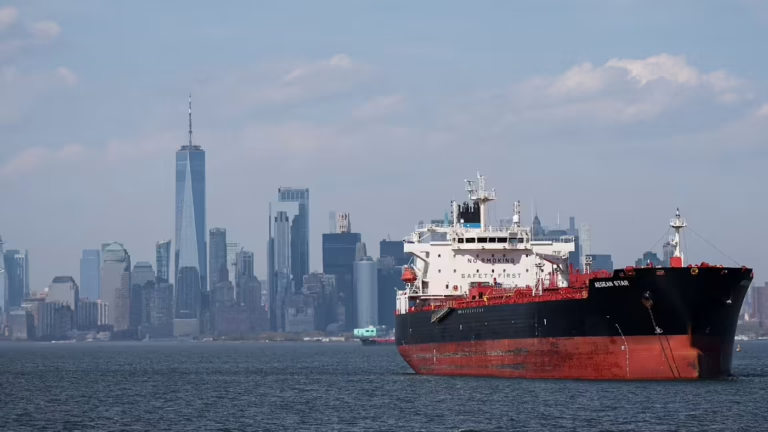
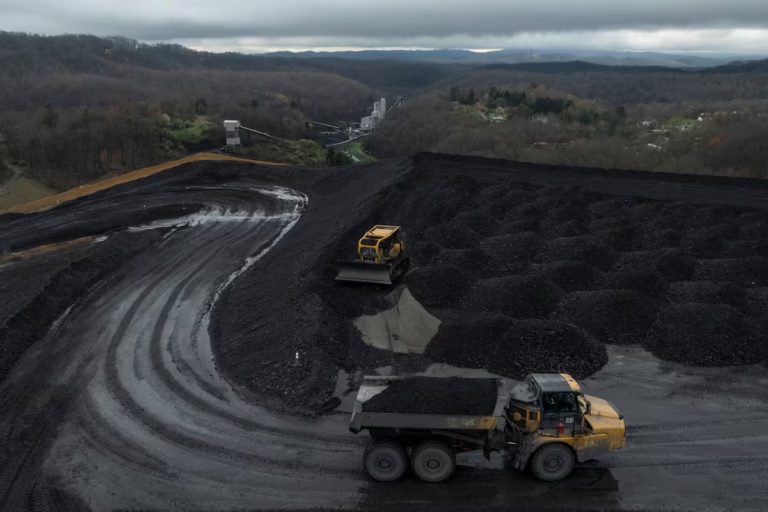
On February 28, the US and Israel launched new attacks on Iran targeting primarily the country's leadership, security forces, and missile program.
Blog
by Anne-Sophie Corbeau, Erica Downs, Ira Joseph, Richard Nephew, Daniel Sternoff, Karen E. Young, Robin Mills & Neelesh Nerurkar • April 16, 2026