Kuwait looks to the cloud as power grid feels the strain
Kuwait has invited bids to construct three power substations that will supply electricity to Google Cloud data storage centres
Current Access Level “I” – ID Only: CUID holders, alumni, and approved guests only
Get the latest as our experts share their insights on global energy policy.
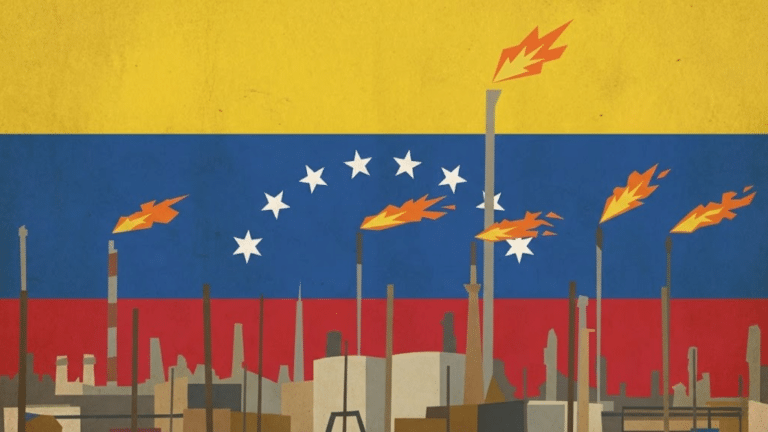
Venezuela holds 70% of Latin America's natural gas reserves, which it could export to Colombia and Trinidad to increase revenues.
Hear in-depth conversations with the world’s top energy and climate leaders from government, business, academia, and civil society.
From the affordability crisis and the data center boom, to the US government’s campaign to reinvigorate the Venezuelan oil market, energy is dominating headlines in unusual ways. And...

Find out more about our upcoming and past events.
The Center on Global Energy Policy at Columbia University SIPA's Women in Energy initiative and Accenture invite you to join us for an evening of conversation and networking...

Human-caused methane emissions have contributed to at least one quarter of global warming since the preindustrial era. Since methane is 80 times more potent than carbon dioxide (CO2) in trapping heat over the first two decades after its release, abating methane is considered a critical near-term strategy for reducing emissions.[