Could a strategic lithium reserve kickstart US supply chain development?
NEW YORK -- A strategic lithium reserve is being mooted as a solution to stabilize volatile prices that have hindered American mining projects, allowi
Current Access Level “I” – ID Only: CUID holders, alumni, and approved guests only
Get the latest as our experts share their insights on global energy policy.
This Energy Explained post represents the research and views of the author(s). It does not necessarily represent the views of the Center on Global Energy Policy. The piece...
Hear in-depth conversations with the world’s top energy and climate leaders from government, business, academia, and civil society.
Over the past week, President Trump has intensified pressure on Venezuelan president Nicolás Maduro by targeting the regime’s economic lifeline—oil. The United States has seized two oil tankers...

Find out more about our upcoming and past events.
On January 1, 2026, the European Union's highly-anticipated Carbon Border Adjustment Mechanism (CBAM) will take effect. Introduced in 2023, CBAM will require the importers of certain carbon-intensive goods...

Testimonies & Speeches by David Sandalow • April 11, 2019
(As prepared for delivery. View the archived webcast here: https://www.energy.senate.gov/public/index.cfm/2019/4/full-committee-hearing-to-examine-opportunities-for-energy-innovation-and)
Testifying before the Senate Committee on Energy and Natural Resources, CGEP Inaugural Fellow David Sandalow discusses energy innovation and other potential solutions to help address climate change.
In his testimony, Sandalow offers four core insights on the role of energy innovation in the fight against climate change:
First, energy innovation is essential for fighting climate change. Although renewable power costs have dropped dramatically in the past decade, more is needed. Priority areas include energy storage, floating offshore wind power, industrial heat, long-haul transport, aviation, carbon capture use and storage, and cheap passively safe nuclear reactors.
Second, not all energy innovations help fight climate change. For example, the expansion of oil drilling into the deep ocean is the result of significant technological innovation but does not contribute to the fight against climate change.
Third, innovation alone won’t solve climate change. The most innovative, low-carbon technologies won’t help fight climate change unless they’re deployed, and widespread deployment often requires a range of policies.
Fourth, as a nation, we should build on our strengths and address our weaknesses when it comes to energy innovation. The United States has an extraordinary record when it comes to the development of new energy technologies, however that record of success does not guarantee future results.
On November 6, 2025, in the lead-up to the annual UN Conference of the Parties (COP30), the Center on Global Energy Policy (CGEP) at Columbia University SIPA convened a roundtable on project-based carbon credit markets (PCCMs) in São Paulo, Brazil—a country that both hosted this year’s COP and is well-positioned to shape the next phase of global carbon markets by leveraging its experience in nature-based solutions.
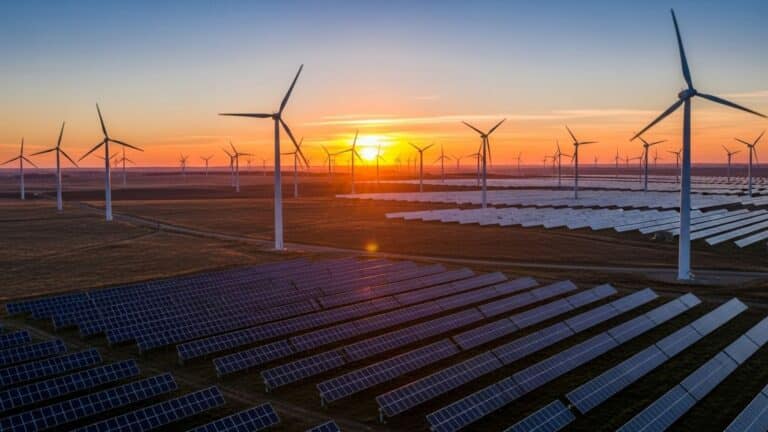
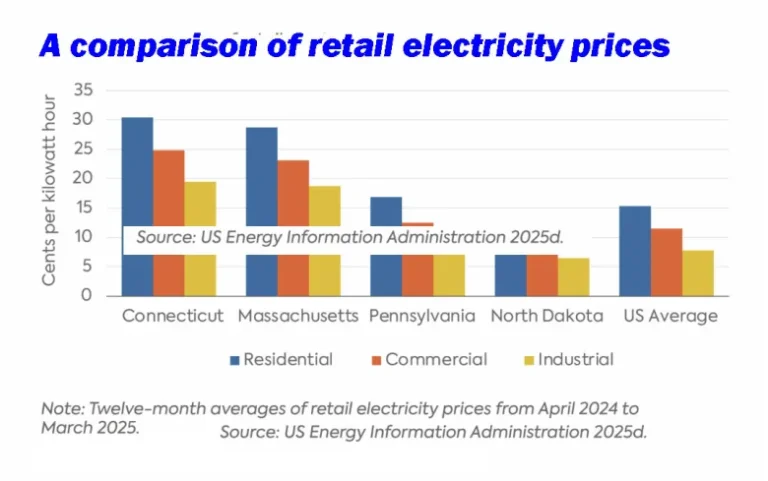
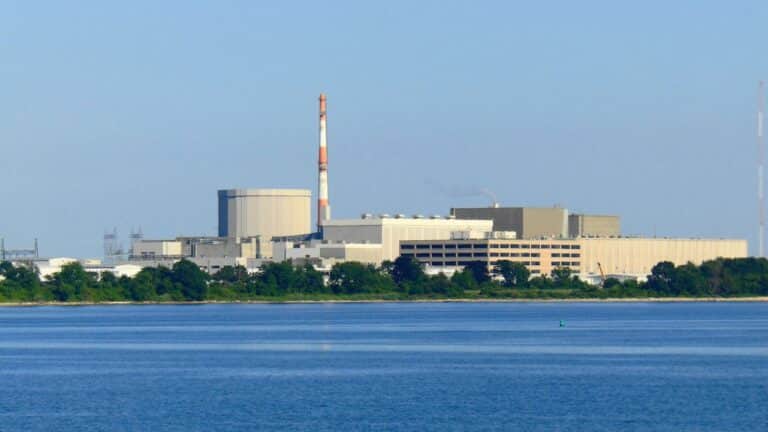
Connecticut needs an honest debate, and fresh thinking, to shape a climate strategy fit for today, not 2022.
Full report
Testimonies & Speeches by David Sandalow • April 11, 2019