Everyone Wants in on Brazil’s Rare Earths
But is Brasília ready to meet the moment?
Get the latest as our experts share their insights on global energy policy.
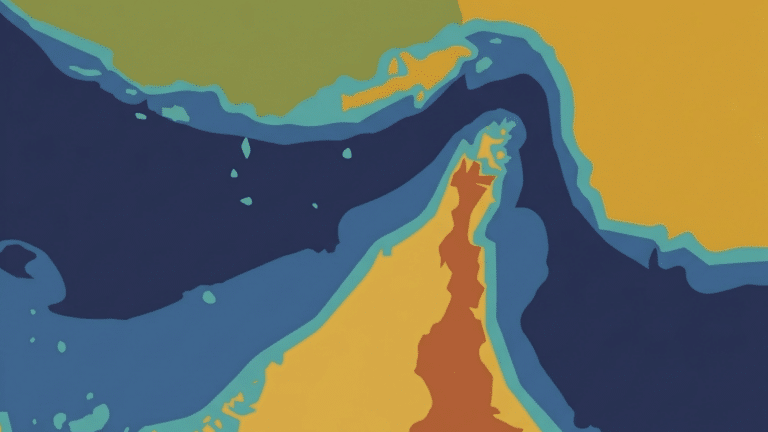
The Center on Global Energy Policy is providing live updates on key developments related to the Iran crisis. Check back here for the latest.
Hear in-depth conversations with the world’s top energy and climate leaders from government, business, academia, and civil society.
Grid operators sit at the center of many of the biggest forces reshaping the global energy system. They’re navigating rising electricity demand, a lack of transmission infrastructure, shifting...

Reports by David Sandalow • March 20, 2017
DOWNLOAD THE FULL REPORT [PDF]
A new report from the Center on Global Energy Policy analyzes whether the success of the oil and gas industry in raising capital could provide insights to help the solar and wind power industries expand. Authors Travis Bradford, Peter Davidson, Lawrence Rodman and David Sandalow explore the scale of the investment need in solar and wind power, sources of capital to date and similarities and differences between oil and gas assets and solar and wind power assets. Based on this analysis, they suggest three possible new financing tools for solar and wind power projects, drawn from the similar tools in the oil and gas sector:
Renewable resource based finance
Reserve based finance is an established tool for financing oil and gas development, with oil and gas reserves providing the asset base and security for loans. Based on this model, solar and wind resources at a project site could be evaluated for the potential to provide an asset base and security for debt financing.
Electricity production payments
Volumetric production payments are another established financing tool in the oil and gas sector, with capital providers making a development stage payment in exchange for the right to receive proceeds from future oil and gas production. Based on this model, capital providers could consider making current payments to fund solar and wind power project development in exchange for the right to receive proceeds from the future sale of solar or wind power at a site.
Capacity payment finance
In both the natural gas pipeline and electric utility industries, customers often pay for the right to use an asset when needed (a capacity payment). Capacity payments can be available for solar and wind power assets, subject to limitations, and could be considered as a separate revenue stream to help support debt financing.
The Inflation Reduction Act of 2022 (IRA) was built, sold, and attacked as the largest climate investment in U.S. history. […]
Recent scientific reassessments strengthen the case for rapid climate action rather than weaken it.

The UNFCCC process is marred by gridlock in the COP multilateral framework, threatening joint efforts by countries to mitigate the climate crisis.

Full report
Reports by David Sandalow • March 20, 2017