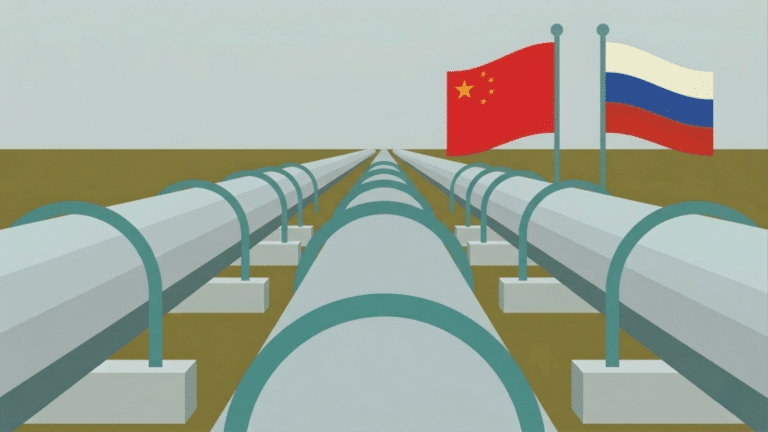
«Vi spiego perché la crisi energetica sarà duratura. E una tregua non basterà»
L’analista della Columbia University, Karen Young: «Insufficiente lo sblocco delle riserve strategiche di petrolio. Per l’Europa conseguenze peggiori ris...
Current Access Level “I” – ID Only: CUID holders, alumni, and approved guests only
Get the latest as our experts share their insights on global energy policy.
On February 28, the US and Israel launched new attacks on Iran targeting primarily the country's leadership, security forces, and missile program.
Hear in-depth conversations with the world’s top energy and climate leaders from government, business, academia, and civil society.
The Iran conflict has rapidly expanded, drawing in actors across the Middle East and raising concerns about broader regional escalation.
Find out more about our upcoming and past events.
This roundtable is open only to currently enrolled Columbia University students. To register, you must sign in with your UNI. The Center on Global Energy Policy (CGEP) at...

In his latest book, The New Map: Energy, Climate, and the Clash of Nations,” noted energy historian Daniel Yergin captures a screenshot of the energy world as it stands in 2020, both in the shifting balance and rising tensions among nations, and in the dramatic reshaping of global energy supplies and flows. Understanding how geopolitics and energy interact is no easy feat, as even before this year’s coronavirus-induced shock to the global energy markets, the landscape was already being rapidly transformed by such factors as the American-led shale revolution, a new cold war between the United States and Russia, deep tensions in the U.S.-China relationship, the Middle East’s own reckoning with the energy transition, and of course, the urgent challenge of climate change.
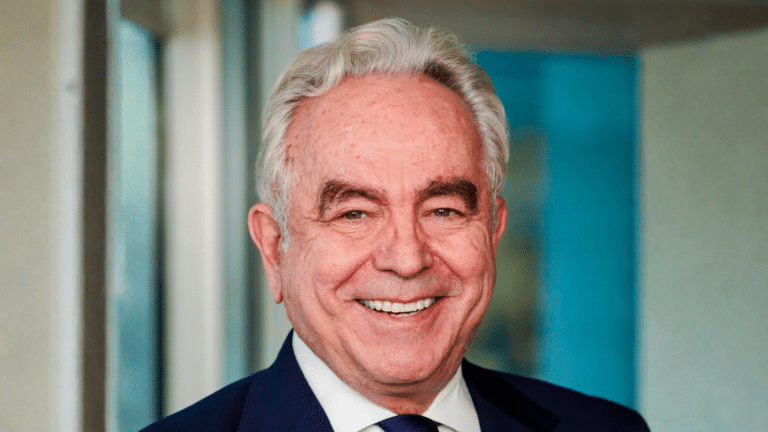
Daniel Yergin is a highly respected authority on energy, international politics, and economics. His classic book, The Prize: The Epic Quest for Oil, Money and Power, became a bestseller, won a Pulitzer Prize, and put Dr. Yergin on the map as one of the world’s leading thinkers on energy and its vast geopolitical and economic implications. In decades since, Dan has continued to chronicle the global energy system. Going back to Shattered Peace, his first book, his writings from The Prize, updated in 20008, to The Quest and many others have provided the historical perspective for understanding many of today’s energy and security challenges.
In this edition of Columbia Energy Exchange, host Jason Bordoff is joined by Dr. Yergin to discuss his new book and what’s ahead for energy geopolitics and the energy transition.
Daniel Yergin is vice chairman of IHS Markit and co-founder of Cambridge Energy Research Associates. Daniel received the United States Energy Award for “lifelong achievements in energy and the promotion of international understanding,” and the U.S. Department of Energy awarded him the first James Schlesinger Medal for Energy Security.
Dr. Yergin is a director of the Council on Foreign Relations and a senior trustee of the Brookings Institution. He is a member of the National Petroleum Council, a director of the United States Energy Association, and of the US-Russia Business Council. He is a member of the Advisory Boards of the Massachusetts Institute of Technology Energy Initiative and of the Columbia University Center on Global Energy Policy and of Singapore’s International Energy Advisory Board. Dr. Yergin holds a BA from Yale University, where he founded The New Journal, and a PhD from Cambridge University, where he was a Marshall Scholar.
The Iran conflict has rapidly expanded, drawing in actors across the Middle East and raising concerns about broader regional escalation.
Nearly a month in, the conflict in Iran appears to have hit a critical inflection point. Over the weekend, President Trump gave Iran a 48-hour ultimatum to open...
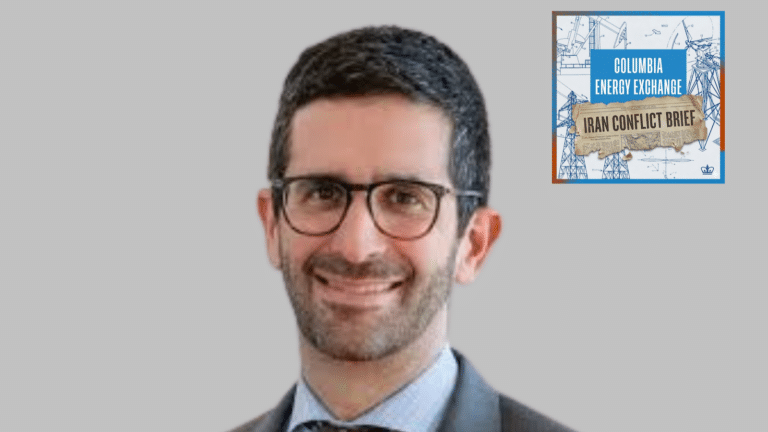
As the conflict in the Middle East enters its 20th day, events on the ground have shifted into a critical new phase marked by direct strikes on core...
The climate policy landscape in the US is in flux. Last month, the Environmental Protection Agency repealed its own power to regulate greenhouse gases. Two weeks later, the...

The Pentagon’s new $200 billion private equity fund would harm the critical industries it aims to support.
On February 28, the US and Israel launched new attacks on Iran targeting primarily the country's leadership, security forces, and missile program.
The Iran conflict could increase the appeal of Russia as an energy supplier for China.