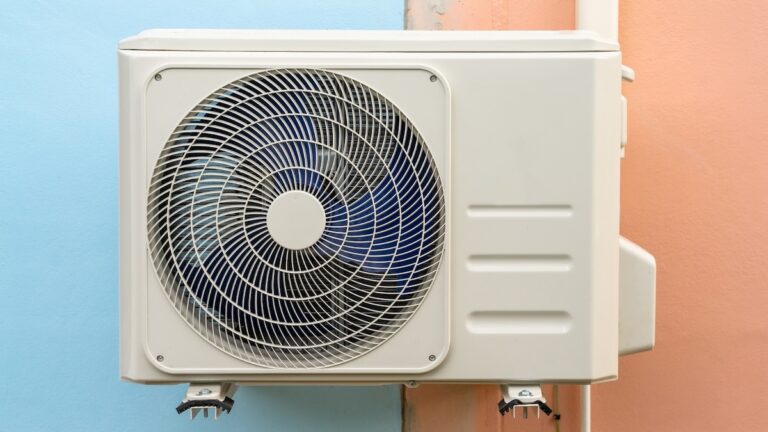
Power prices are expected to soar under new tax cut and spending law
In states without policies to drive renewable energy, power prices could surge as federal tax incentives for clean energy disappear, according to Energy Innovation, a think tank.
Current Access Level “I” – ID Only: CUID holders, alumni, and approved guests only
Get the latest as our experts share their insights on global energy policy.
This special CGEP blog series, featuring six contributions from CGEP scholars, analyzes the potential impacts of the OBBBA across a range of sectors.

Hear in-depth conversations with the world’s top energy and climate leaders from government, business, academia, and civil society.
Many parts of the US have experienced brutal, deadly heat in recent weeks—and there’s plenty of summer left. Intense rainfall, made more likely by warming, dropped more than...

Past Event
January 29, 2020
1:00 pm - 2:00 pm
Location: Center on Global Energy Policy 1255 Amsterdam Ave., 1st floor New York, NY 10027 Please join the Center on Global Energy Policy’s Women in Energy program and SIPA’s MPA-Energy and Environment concentration for a student-only lunch and roundtable discussion with Miranda Ballentine, CEO of Renewable Energy Buyers Alliance (REBA). Ms. Ballentine will discuss her academic and job histories, career path, and perspectives on what it means to be a female leader in the energy industry. Biography Miranda is CEO of REBA, an alliance of clean energy buyers, developers, service providers, and NGOs, who are unlocking the marketplace for a cleaner, prosperous, zero-carbon energy future. REBA members were involved in 100% of corporate large renewables deals in 2018. Miranda previously was CEO of Constant Power, a DER company, as well as Managing Director of RMI’s Business Renewables Center. From 2014-2017, Miranda served President Obama as Asst Secretary of Air Force (Installations, Environment & Energy). She was responsible for a $9B energy budget and launched the Resilient Energy Demonstration Initiative, developing clean, cyber-secure microgrids. Previously, Miranda was Walmart’s Director of Sustainability for Renewable Energy. She led a global team to achieve Walmart’s 100% renewable energy goal, identifying $1+ B in annual energy savings and 9 MMT of avoided GHGs. In 2013, Miranda was selected to join WEF’s Young Global Leaders. She has a BS from CSU and an MBA from GWU. — Registration is required. This event is open to all students. There is limited capacity for this event. We ask that you register only if you are sure you can attend this event in its entirety. Lunch will be provided. For more information contact: [email protected].
As the Israel-Iran conflict continues to unfold, it remains unclear whether a ceasefire will hold or fighting will resume. This uncertainty carries significant implications for energy markets in the Middle East and around the world.
On the night of June 12, the Israeli military conducted widespread strikes on sites in Iran that targeted the country’s nuclear program and its senior military leadership.
This year, the Third Annual Energy Opportunity Lab (EOL) Forum will take place July 7th and 8th in Washington, DC, offering a chance for the Washington policymaking community...

On May 23, President Donald Trump signed four executive orders that aim to reform the United States Nuclear Regulatory Commission, streamline National Laboratory processes for reactor testing, advance...
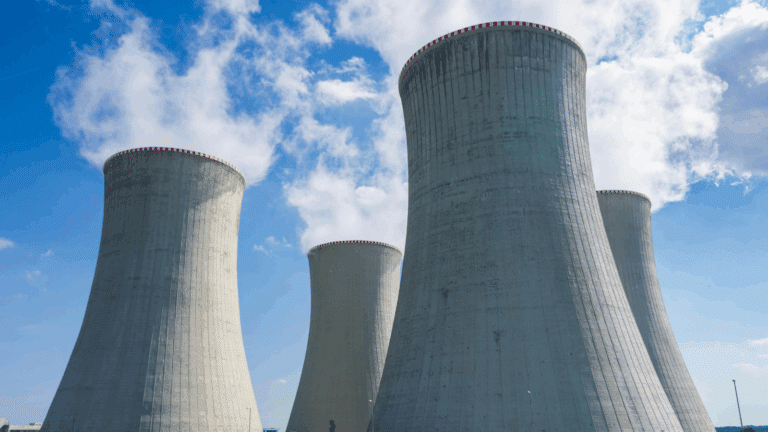
This special CGEP blog series, featuring six contributions from CGEP scholars, analyzes the potential impacts of the OBBBA across a range of sectors.
The US Department of Defense has announced a multibillion-dollar public-private partnership with MP Materials.

This report explores how residents of North Lawndale, a predominantly Black and historically under-resourced neighborhood on Chicago’s West Side, experience the compounded effects of heat waves and power outages.