Trump delayed a global carbon tax. Now he wants to finish the fight.
American officials are drafting a diplomatic cable that warns dozens of countries against adopting a climate fee on the shipping industry.
Current Access Level “I” – ID Only: CUID holders, alumni, and approved guests only
Get the latest as our experts share their insights on global energy policy.
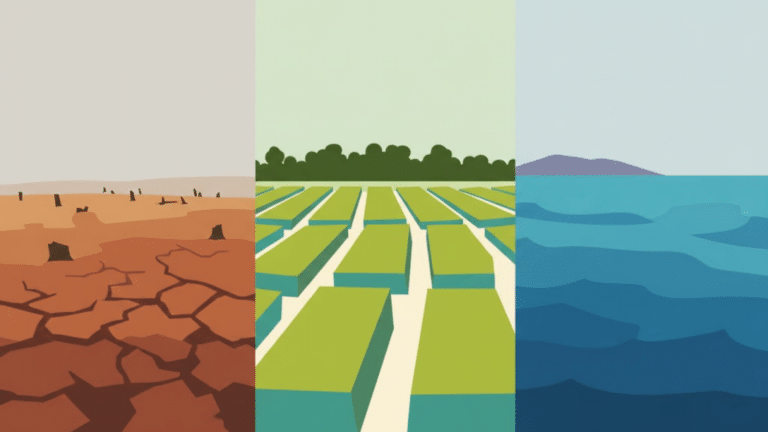
In January 2026, the UK government publicly released an intelligence report analyzing the security implications of global environmental destruction.
Hear in-depth conversations with the world’s top energy and climate leaders from government, business, academia, and civil society.
President Trump has aggressively used tariffs as an economic tool, but a US Supreme Court decision on Friday struck down his sweeping tariffs, bringing new uncertainty. The court,...

Find out more about our upcoming and past events.
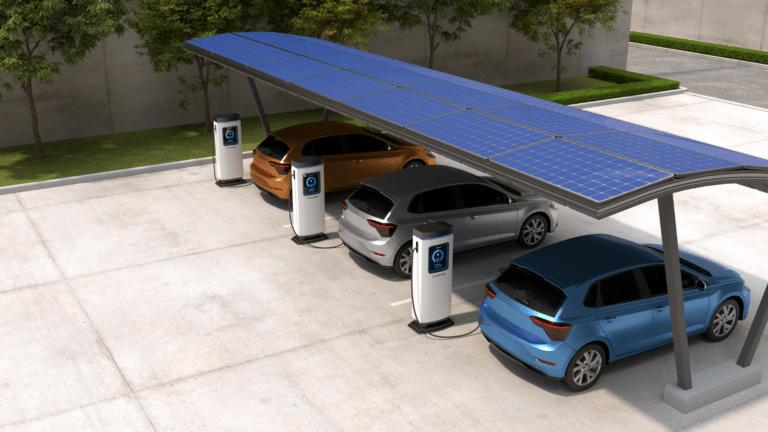
Join us for an in-person event exploring careers and opportunities in the rapidly evolving electric vehicle and sustainable transportation ecosystem.
Past Event
April 17, 2014
2:00 pm - 3:30 pm
The Center on Global Energy Policy and the Institute of Latin American Studies hosted a presentation and discussion with Adrian Lajous, CGEP Fellow and former Director General of Pemex (CEO) and Chairman of the boards of the Pemex group. Last year, Mexico’s legislature passed historic reforms for the energy sector, with the aim of opening the way for much-needed foreign direct investment to the nationalized energy industry for the first time since 1938. Mr. Lajous discussed the prospects and challenges confronting Mexico’s energy reform and the implications for the oil, gas and power sectors. Center Director Jason Bordoff moderated the discussion following the presentation.
Download Adrian Lajous’ presentation here (PDF)
Join us for an in-person event exploring careers and opportunities in the rapidly evolving electric vehicle and sustainable transportation ecosystem.
This workshop will be conducted in two parts: Part one on February 16 from 1:00 PM to 2:00 PM EST, and Part two on February 18 from 1:00 PM to...

Join the NYU SPS Center for Global Affairs, the Center on Global Energy Policy at Columbia University SIPA Women in Energy Initiative (WIE), and the NYU SPS Energy,...
The Center on Global Energy Policy (CGEP) at Columbia SIPA and the Fashion, Energy, and Climate Network invite you to join the first session of our new talk...

In January 2026, the UK government publicly released an intelligence report analyzing the security implications of global environmental destruction.
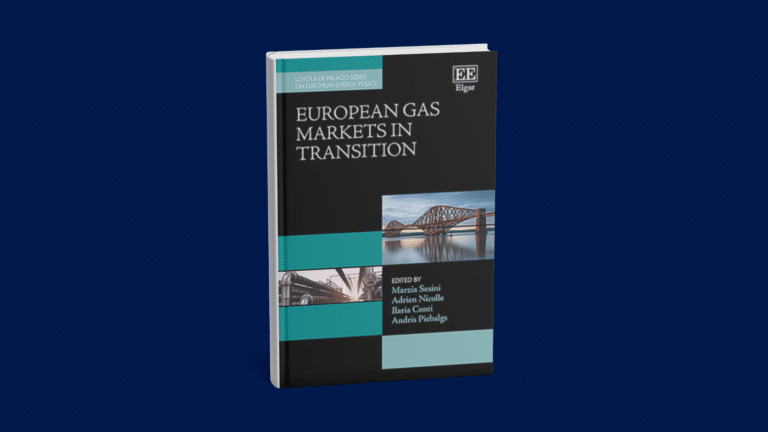
Anne-Sophie Corbeau and leading experts explore how Europe's gas sector is being reshaped by geopolitical shocks.
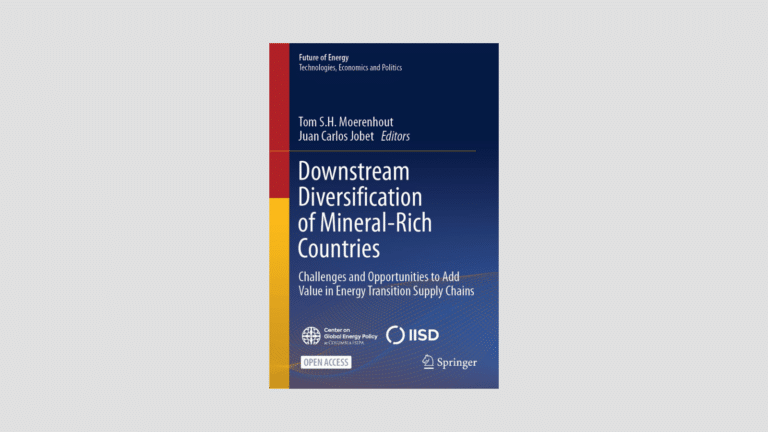
This open access book sheds new light on the challenges and opportunities of downstream diversification in countries rich in critical minerals