What the NextEra-Dominion merger means for nuclear power in New England
The merger of NextEra Nuclear and Dominion Nuclear creates one large utility company with control over all of New England's nuclear power.
Get the latest as our experts share their insights on global energy policy.
In March 2026, the Office of the US Trade Representative (USTR) announced it was investigating "structural excess capacity and production in manufacturing sectors" in 16 economies.

Hear in-depth conversations with the world’s top energy and climate leaders from government, business, academia, and civil society.
For years, the energy transition was discussed as a shift that would happen in steady, predictable increments. But a massive surge in electricity demand in recent years—now colliding...
Past Event
July 23, 2018
9:00 am - 10:15 am utc
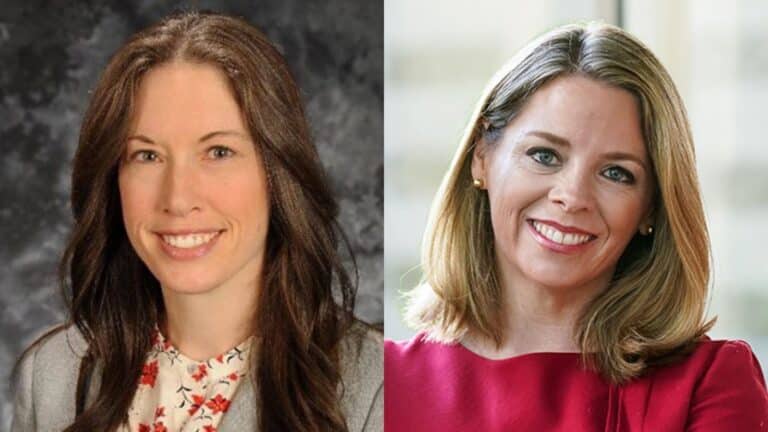
LOCATION: National Press Club – Hallman Lounge 529 14th St NW Washington, DC 20045 On behalf of Columbia University’s Center on Global Energy Policy and the Niskanen Center, please join us for an event with Congressman Carlos Curbelo (FL-26) to discuss the Market Choice Act, legislation he will introduce that day. After a 1-1 conversation between Congressman Curbelo and Jason Bordoff, Founding Director of the Center on Global Energy Policy, we will move to a panel conversation on the energy, economic and emissions effects of the Congressman’s proposal and carbon pricing more broadly. Our distinguished panelists will include: • Noah Kaufman, Research Scholar, Center on Global Energy Policy • Nat Keohane, Senior Vice President, Environmental Defense Fund • Lynne Scarlet, Co Chief External Affairs Officer, The Nature Conservancy • Jessica Hogle, Senior Director, Federal Affairs, PG&E Corporation • Moderator: Joseph Majkut, Director of Climate Policy, Niskanen Center Registration is required for in person participation.
This roundtable is open only to currently enrolled Columbia University students. To register, you must sign in with your UNI. The Center on Global Energy Policy (CGEP) at...

The Center on Global Energy Policy (CGEP) at Columbia SIPA and the Fashion, Energy, and Climate Network invite you to join the first session of our new talk...

The Columbia Global Energy Summit 2026 is an annual event dedicated to thought-provoking discussions around the critical energy and climate challenges facing the global community.
This event is open to Columbia University students only. Join the Center on Global Energy Policy’s Women in Energy initiative for an interactive discussion on human rights and...
The UNFCCC process is marred by gridlock in the COP multilateral framework, threatening joint efforts by countries to mitigate the climate crisis.
On March 20, Governor Kathy Hochul proposed significant changes to New York’s Climate Leadership and Community Protection Act (CLCPA), the landmark climate law passed in 2019.