Current Access Level “I” – ID Only: CUID holders, alumni, and approved guests only
Campus open to active affiliate Columbia University ID (CUID) holders and approved guests only.
Columbia students, faculty, and staff can use the guest registration portal to register up to two same-day guests. Alumni can use the portal to register for campus same-day access as well. Learn more below.
This website uses cookies as well as similar tools and technologies to understand visitors’ experiences. By continuing to use this website, you consent to Columbia University’s usage of cookies and similar technologies, in accordance with the Columbia University Website Cookie Notice.
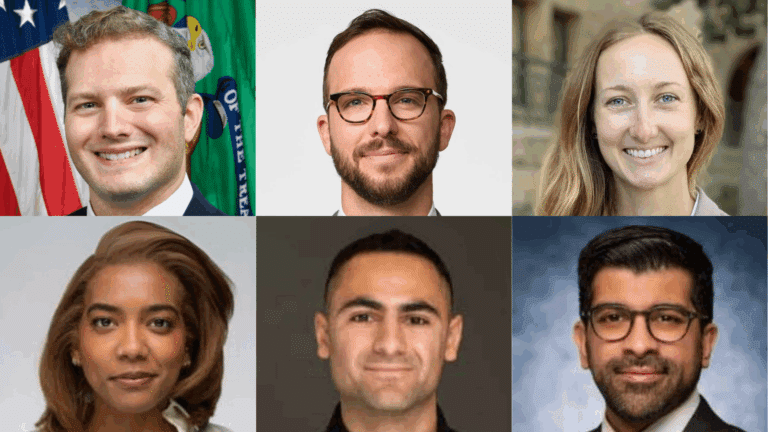
The Center on Global Energy Policy (CGEP) at Columbia University SIPA today announced new personnel additions who bring extensive experience from government and the private sector to the...
Announcement• July 3, 2025
Energy Explained
Get the latest as our experts share their insights on global energy policy.
Artificial intelligence is transforming our world—and the energy sector. Earlier this year, the International Energy Agency (IEA) released a comprehensive report examining both AI’s projected energy demands and...
We are the premier hub and policy institution for global energy thought leadership. Energy impacts every element of our lives, and our trusted fact-based research informs the decisions that affect all of us.
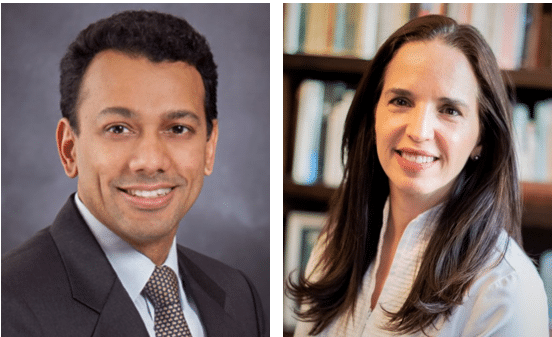
Columbia Energy Straight Talk with Cheryl LaFleur and David Hill | Environmental Regulation of the Energy Sector: A Discussion with Mary Nichols
Past Event
April 29, 2021
4:00 pm - 5:30 pm utc
Share
The Center on Global Energy Policy hosted the third episode of Columbia Energy Straight Talk, a discussion series hosted by David Hill, CGEP Adjunct Senior Research Scholar, and Cheryl LaFleur, CGEP Distinguished Visiting Fellow. This series focuses on frank, practical, bipartisan discussions on how to make change happen in the energy world. The hosts bring decades of energy experience in the public and private sectors, including David’s service as General Counsel of the U.S. Department of Energy and Cheryl’s as Commissioner and Chairman at the Federal Energy Regulatory Commission.
Environmental regulation, especially to address climate change, is a key part of planning for our energy future. However, even though energy and climate issues are intertwined, energy and environmental regulators have different statutory obligations and often have an incomplete understanding of each other’s responsibilities and priorities. As we work to adapt the nation’s energy, transportation, and other sectors to reflect climate imperatives, it is critically important for economic and environmental regulators to understand what the other is doing and to work cooperatively.
In this episode, Cheryl and David hosted Mary Nichols, Distinguished Visiting Fellow at the Center on Global Energy Policy at Columbia SIPA. Sometimes called the “Queen of Green,” Mary has been at the forefront of American environmental regulation for more than 40 years. She has served twice as chairman of the California Air Resources Board and, during the Clinton Administration, served as the EPA’s assistant administrator for air and radiation. She has run a successful cap and trade program at the EPA, was instrumental in establishing California’s system of carbon pricing, and led the effort to pull California, other states, and vehicle manufacturers toward full electrification of the vehicle fleet. During this session, Mary, Cheryl, and David discussed climate initiatives at the federal and state level, the future of carbon pricing, vehicle electrification, and what it all means for the public, the environmental community, energy markets, energy companies, and investors.
Energy finance is critical for energy security, energy affordability, and the energy transition. In the context of the current energy crisis and the upcoming COP27 in Sharm El...
Please join the Center on Global Energy Policy for a student-only lunch and roundtable discussion with Dr. Destenie Nock, Visiting Faculty member at CGEP; Assistant Professor, Engineering and...
Event
• Center on Global Energy Policy 1255 Amsterdam Ave.
Please join the Center on Global Energy Policy for an informational session about CGEP’s new Global Energy Fellows Program, an unparalleled opportunity for energy and climate-focused graduate students...
In November 2022, Egypt will host the 27th session of the Conference of the Parties (COP 27), the UN’s annual conference on climate change. The country finds itself...
AI’s growing power demand has received enormous attention in recent months. In many places, the lack of power supplies is an important constraint on the growth of data centers to train and run AI models.
Kenya and South Africa have recently started moving toward an open access regime in their electricity sectors, while the US and India have been on this path for over two decades.