Could a strategic lithium reserve kickstart US supply chain development?
NEW YORK -- A strategic lithium reserve is being mooted as a solution to stabilize volatile prices that have hindered American mining projects, allowi
Current Access Level “I” – ID Only: CUID holders, alumni, and approved guests only
Get the latest as our experts share their insights on global energy policy.
This Energy Explained post represents the research and views of the author(s). It does not necessarily represent the views of the Center on Global Energy Policy. The piece...
Hear in-depth conversations with the world’s top energy and climate leaders from government, business, academia, and civil society.
This has been a crucial year for US energy policy. The passage of the One Big Beautiful Bill Act eliminated many of the clean energy incentives that were...

Find out more about our upcoming and past events.
On January 1, 2026, the European Union's highly-anticipated Carbon Border Adjustment Mechanism (CBAM) will take effect. Introduced in 2023, CBAM will require the importers of certain carbon-intensive goods...

Past Event
September 23, 2021
3:00 pm - 4:00 pm
The Climate Group has selected the Columbia Climate School as its university partner for this year’s Climate Week NYC. Running Sept. 20-26, Climate Week NYC convenes key climate leaders to accelerate climate action and discuss ambitious commitments ahead of the 26th UN Climate Change Conference, or COP26, later this fall in Glasgow.
—
Electric vehicles are attracting unprecedented attention at the federal level, with proposals for major infusions of funds to build charging stations and promote sales. Transportation emissions are nearly a third of U.S. greenhouse gas emissions, so all plans to meet more ambitious climate goals call for rapid electrification. Many automakers have pledged to increase the share of their production by going all battery or fuel cell electric within a decade, but few of the new models meet current buyer preference for larger vehicles with increased utility. Ford’s introduction of the F-150 Lightning, a battery electric version of the best selling truck in the U.S. for the last 44 years, and the E-Transit, a battery electric commercial vehicle, may signal a tipping point in building the future of zero emissions transportation.
The Center on Global Energy Policy brought together Jim Farley and Mary Nichols, two influential leaders from the regulatory policymaking and automotive sectors, to share their perspectives on how we can reduce emissions from transportation and respond with urgency to the climate crisis. The discussion highlighted the significant changes taking place in the industry’s plans and strategies to achieve carbon neutrality, the role of regulation, policy and investments in building demand for battery electric vehicles, and the importance of putting people first in this transition by focusing on equity, access and workforce development.
Moderator:
Speakers:
—
The Columbia Global Energy Summit 2026 is an annual event dedicated to thought-provoking discussions around the critical energy and climate challenges facing the global community.

This event is open to Columbia University students only. Join the Center on Global Energy Policy’s Women in Energy initiative for an interactive discussion on human rights and...

*Registration is closed for this event. The Center on Global Energy Policy at Columbia University SIPA's Women in Energy initiative, in collaboration with the Columbia Policy Institute, invites...

While various efforts continue to be made to estimate fashion’s environmental footprint, major gaps remain in how to decarbonize material production and reshape business practices.

On November 6, 2025, in the lead-up to the annual UN Conference of the Parties (COP30), the Center on Global Energy Policy (CGEP) at Columbia University SIPA convened a roundtable on project-based carbon credit markets (PCCMs) in São Paulo, Brazil—a country that both hosted this year’s COP and is well-positioned to shape the next phase of global carbon markets by leveraging its experience in nature-based solutions.
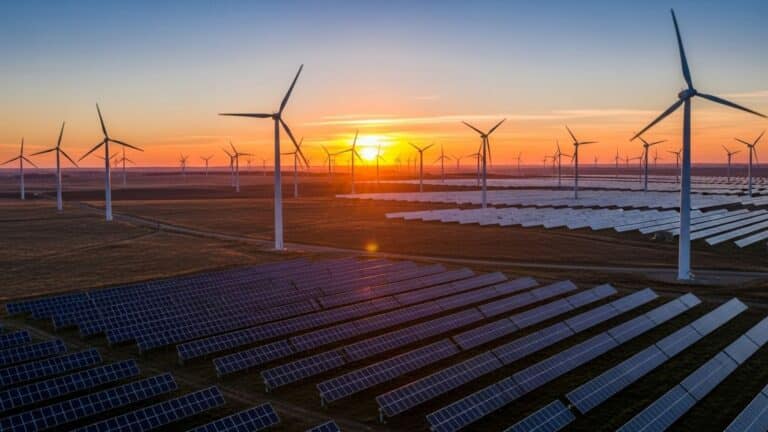
Connecticut needs an honest debate, and fresh thinking, to shape a climate strategy fit for today, not 2022.