The Acid Age: Chokepoint behind the AI power surge
Nobody can order a smelter to make more of its own exhaust, and the exhaust just became the thing everyone needs
This website uses cookies as well as similar tools and technologies to understand visitors’ experiences. By continuing to use this website, you consent to Columbia University’s usage of cookies and similar technologies, in accordance with the Columbia University Website Cookie Notice.
Our work is committed to independent and nonpartisan research that meets the high standards of academic integrity and quality at Columbia University.
Our initiatives and programs are designed to address critical needs in key focus areas around energy and climate policy.
Explore our expert insights and analysis in leading energy and climate news stories.
Nobody can order a smelter to make more of its own exhaust, and the exhaust just became the thing everyone needs
Get the latest as our experts share their insights on global energy policy.
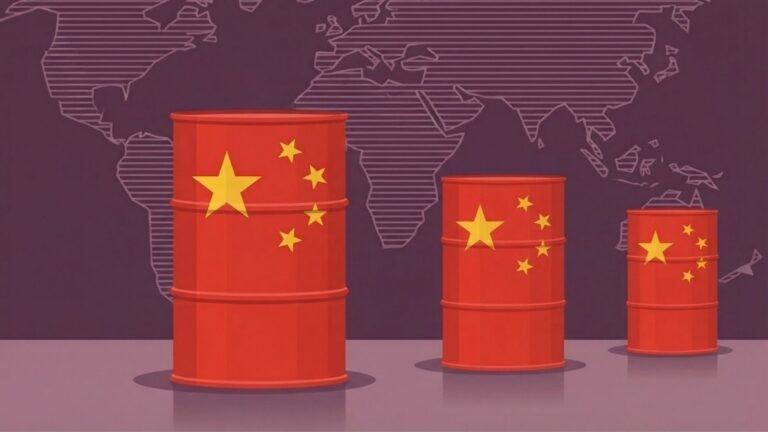
The ongoing disruption of oil exports through the Strait of Hormuz has caused a substantial decline in China's crude oil imports.
Hear in-depth conversations with the world’s top energy and climate leaders from government, business, academia, and civil society.
It started last year as a pressure campaign at sea, with the United States seizing tankers as part of what President Trump called a “total and complete blockade”...
Find out more about our upcoming and past events.
Join industry leaders, innovators, employers, and emerging talent for an evening exploring the technologies, trends, and career opportunities shaping the future of climate tech.

We are the premier hub and policy institution for global energy thought leadership. Energy impacts every element of our lives, and our trusted fact-based research informs the decisions that affect all of us.
External Associate
Dr. Caleb M. Woodall was a Postdoc with the Carbon Management Research Initiative (CaMRI) under CGEP at Columbia University, where he analyzed technologies and policies to advance carbon capture and removal. He earned his PhD at Worcester Polytechnic Institute by studying multiple approaches to advance carbon mineralization, including experimental work, technoeconomic analysis, policy analysis, and youth outreach. Caleb also brings deep experience with the industrial sector, having performed work with the concrete, iron & steel, and chemical industries. In 2020, Caleb was a Policy Fellow for ClearPath, where he worked on decarbonization strategies for the concrete industry. He has particular interests in coupling waste valorization with carbon management strategies and in outreach to lay audiences. Caleb holds a BSc in Chemical Engineering from the University of Arkansas.
As the science about the climate impact of hydrogen becomes clearer, discussions on whether a dedicated law is needed to detect and repair leaks from infrastructure are also gaining momentum.

Get the latest news and research on energy & climate policy.
"(required)" indicates required fields