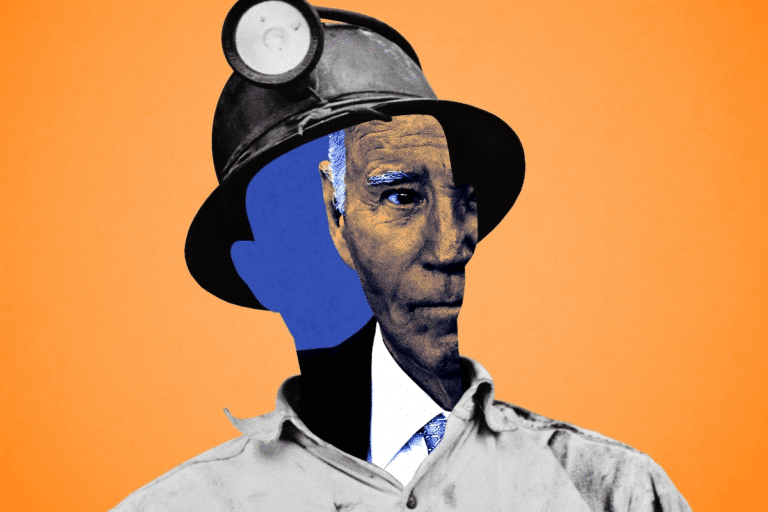
Trump delayed a global carbon tax. Now he wants to finish the fight.
American officials are drafting a diplomatic cable that warns dozens of countries against adopting a climate fee on the shipping industry.
Current Access Level “I” – ID Only: CUID holders, alumni, and approved guests only
Get the latest as our experts share their insights on global energy policy.
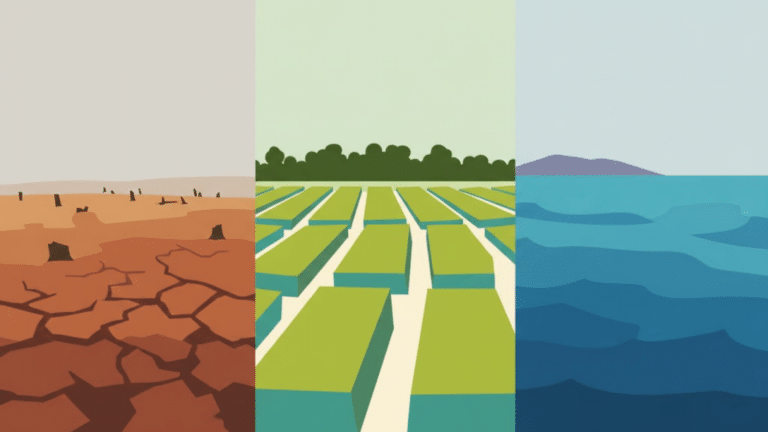
In January 2026, the UK government publicly released an intelligence report analyzing the security implications of global environmental destruction.
Hear in-depth conversations with the world’s top energy and climate leaders from government, business, academia, and civil society.
President Trump has aggressively used tariffs as an economic tool, but a US Supreme Court decision on Friday struck down his sweeping tariffs, bringing new uncertainty. The court,...

Find out more about our upcoming and past events.
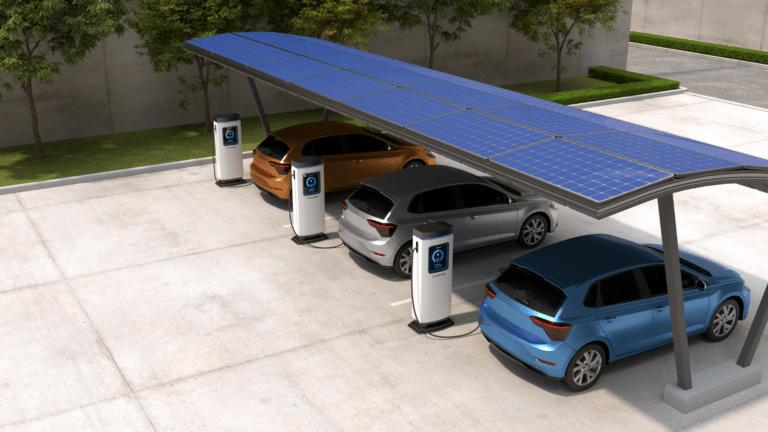
Join us for an in-person event exploring careers and opportunities in the rapidly evolving electric vehicle and sustainable transportation ecosystem.
On September 7th, the Center on Global Energy Policy hosted a panel discussion on the future of climate finance. Expert panelists included Billy Pizer, Professor in the Sanford School of Public Policy at Duke University and faculty fellow in the Nicholas Institute for Environmental Policy Solutions, Michael Gerrard, Director of the Sabin Center for Climate Change Law and Andrew Sabin Professor of Professional Practice at Columbia Law School, as well as Bruce Usher, Co-Director of the Tamer Center for Social Enterprise; Elizabeth B. Strickler ’86 and Mark T. Gallogly ’86 Faculty Director; Professor of Professional Practice. CGEP Inaugural Fellow David Sandalow moderated the discussion.
President Trump has aggressively used tariffs as an economic tool, but a US Supreme Court decision on Friday struck down his sweeping tariffs, bringing new uncertainty. The court,...
Under the second Trump administration, the US Department of Energy significantly shifted its priorities to align with its “energy dominance" agenda. But one significant point of continuity with...

The Trump administration has prioritized nuclear energy expansion, aiming to increase US nuclear capacity fourfold by 2050. This nuclear energy resurgence in the US is a rare issue...

As political support for clean energy has waxed and waned over the past twenty years, so has the government’s financial backing. In the 2010s, critics pointed to the...

In January 2026, the UK government publicly released an intelligence report analyzing the security implications of global environmental destruction.
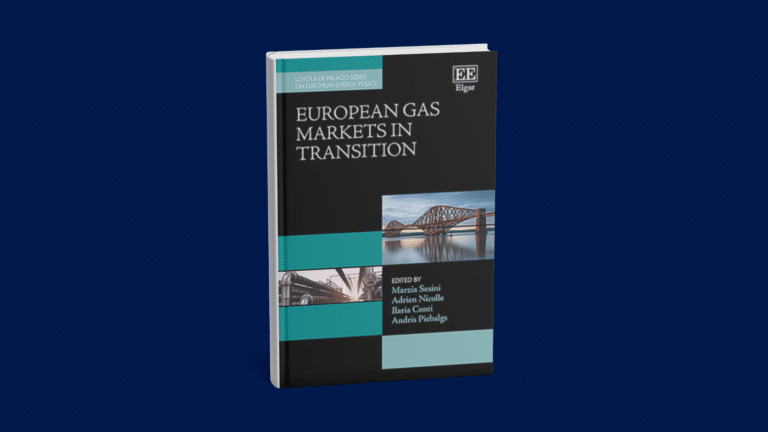
Anne-Sophie Corbeau and leading experts explore how Europe's gas sector is being reshaped by geopolitical shocks.
This open access book sheds new light on the challenges and opportunities of downstream diversification in countries rich in critical minerals

A fossil fuel superpower cannot sustain deep emissions reductions if doing so drives up costs for vulnerable consumers.