This website uses cookies as well as similar tools and technologies to understand visitors’ experiences. By continuing to use this website, you consent to Columbia University’s usage of cookies and similar technologies, in accordance with the Columbia University Website Cookie Notice.
Energy Explained
Get the latest as our experts share their insights on global energy policy.
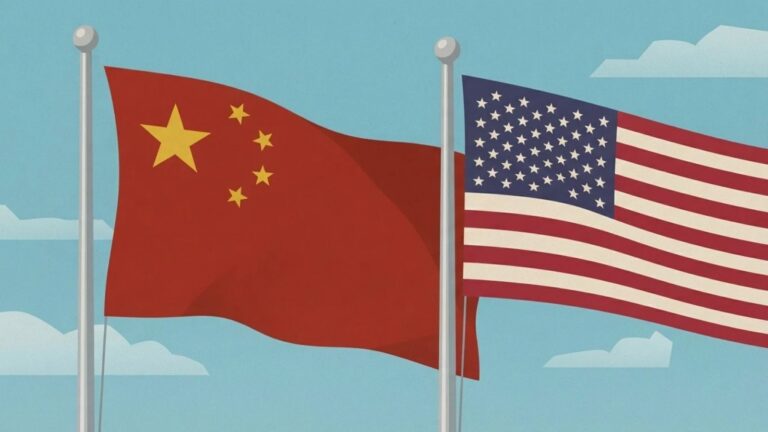
Fossil Fuels Dominated the Energy Discussion at the Trump-Xi Summit: Q&A
Last week's summit between US President Trump and Chinese President Xi was the second meeting between the two leaders since the US and Israel attacked Iran.
Podcasts
Hear in-depth conversations with the world’s top energy and climate leaders from government, business, academia, and civil society.
Global Gas Markets on Edge as Europe Braces for Winter
Global gas markets, especially in Europe, are approaching winter under serious pressure. With storage inventories lagging behind historical averages and shipping disruptions from the Middle East threatening key...
Columbia Energy Exchange Podcast
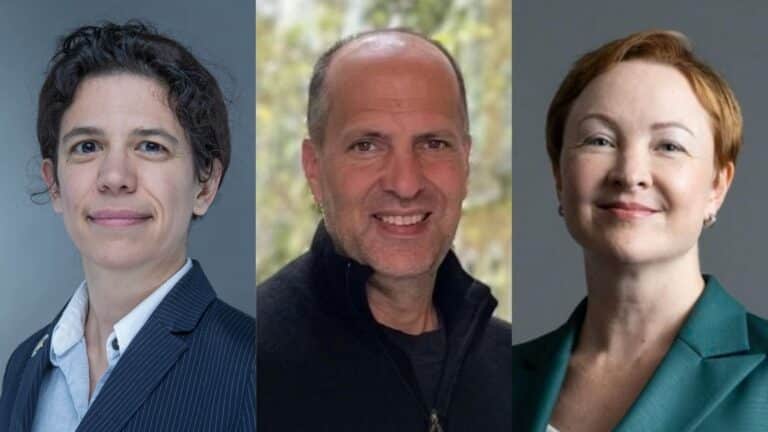
with Anne-Sophie Corbeau
, Ira Joseph
and Tatiana Mitrova
• September 29, 2026
Events
Find out more about our upcoming and past events.
October 14, 2026
• 12:00 pm - 1:00 pm
edt
Student Roundtable with Career Coach Pam Brown
Apply to Register The Center on Global Energy Policy at Columbia University SIPA’s Women in Energy initiative invites Columbia University students to a roundtable discussion with Pam Brown,...
Event
• Center on Global Energy Policy
Large Conference Room
Large Conference Room
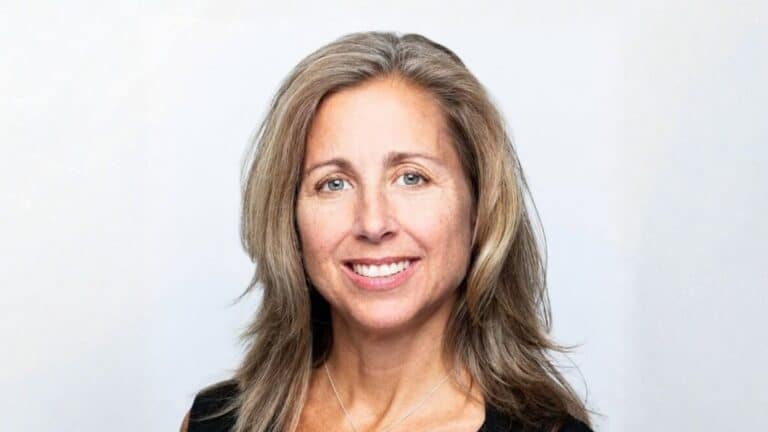
Brian Snyder
Biography
Relevant Articles
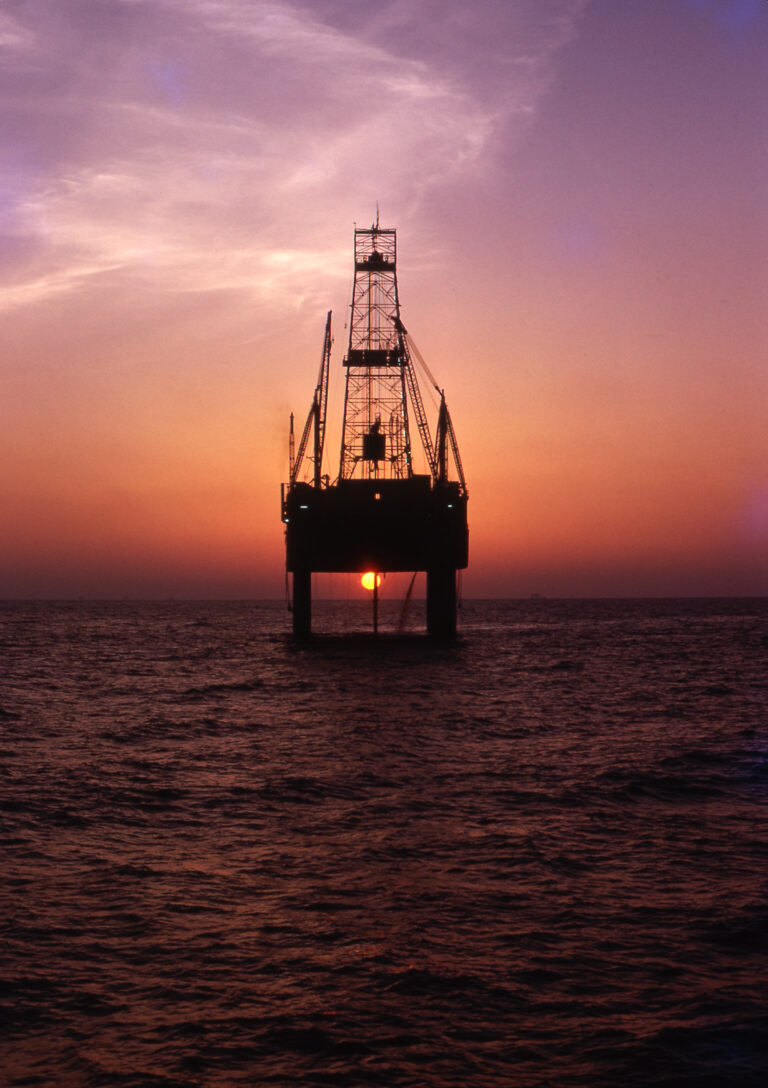
Considering a Federal Program to Permanently Plug and Abandon Offshore Oil and Gas Wells
Failure to properly plug and abandon (P&A) oil and gas wells in the United States at the end of their useful life can impose environmental costs and saddle taxpayers with cleanup liabilities. In recent years, US policy makers have expressed increasing concern about P&A issues, especially when it comes to “orphan” wells—oil and natural gas wells, either onshore or in state waters, for which no viable private company with legal responsibility exists.