Trump delayed a global carbon tax. Now he wants to finish the fight.
American officials are drafting a diplomatic cable that warns dozens of countries against adopting a climate fee on the shipping industry.
Current Access Level “I” – ID Only: CUID holders, alumni, and approved guests only
Get the latest as our experts share their insights on global energy policy.
In January 2026, the UK government publicly released an intelligence report analyzing the security implications of global environmental destruction.

Hear in-depth conversations with the world’s top energy and climate leaders from government, business, academia, and civil society.
President Trump has aggressively used tariffs as an economic tool, but a US Supreme Court decision on Friday struck down his sweeping tariffs, bringing new uncertainty. The court,...

Find out more about our upcoming and past events.
Join us for an in-person event exploring careers and opportunities in the rapidly evolving electric vehicle and sustainable transportation ecosystem.
CEO of Sunrun
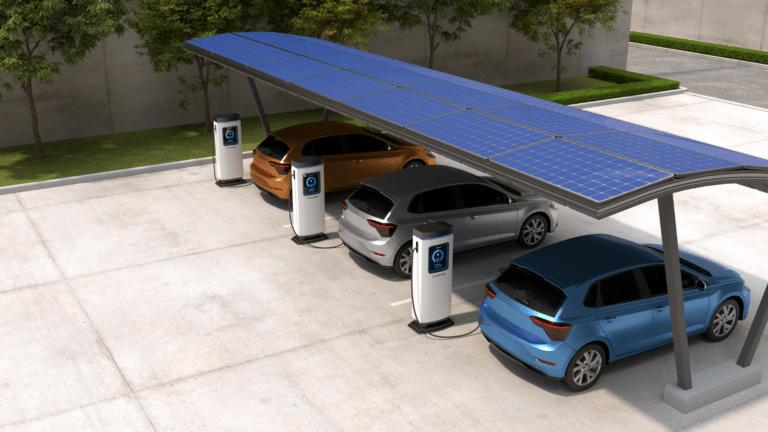
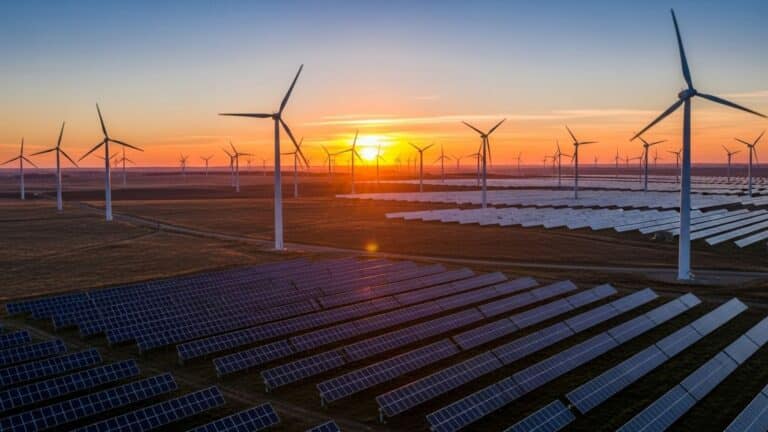
The Biden Administration recently released a blueprint for how the U.S. could get nearly half of its electricity from the sun by 2050 called, “The Solar Futures Study.” But reaching that 50% will require an expansive, multi-sector investment of money and resources toward the clean electricity source that meets only about 4% of the nation’s power demand now.
Host Bill Loveless dug into the hows of deploying solar widely and effectively with Mary Powell, the recently-appointed CEO of Sunrun, a leading residential solar company in the U.S.
Mary previously headed up the Vermont-based electric utility, Green Mountain Power.
While there, Mary was known for being a disruptor in the utility space in her embrace of clean energy reforms.
Bill and Mary spoke about the tricky nature of the residential solar market, how solar is figuring into congressional legislation and how electric utilities can work with the clean energy transition instead of fighting it.
President Trump has aggressively used tariffs as an economic tool, but a US Supreme Court decision on Friday struck down his sweeping tariffs, bringing new uncertainty. The court,...
Under the second Trump administration, the US Department of Energy significantly shifted its priorities to align with its “energy dominance" agenda. But one significant point of continuity with...

The Trump administration has prioritized nuclear energy expansion, aiming to increase US nuclear capacity fourfold by 2050. This nuclear energy resurgence in the US is a rare issue...

As political support for clean energy has waxed and waned over the past twenty years, so has the government’s financial backing. In the 2010s, critics pointed to the...

In January 2026, the UK government publicly released an intelligence report analyzing the security implications of global environmental destruction.
Models can predict catastrophic or modest damages from climate change, but not which of these futures is coming.

On November 6, 2025, in the lead-up to the annual UN Conference of the Parties (COP30), the Center on Global Energy Policy (CGEP) at Columbia University SIPA convened a roundtable on project-based carbon credit markets (PCCMs) in São Paulo, Brazil—a country that both hosted this year’s COP and is well-positioned to shape the next phase of global carbon markets by leveraging its experience in nature-based solutions.
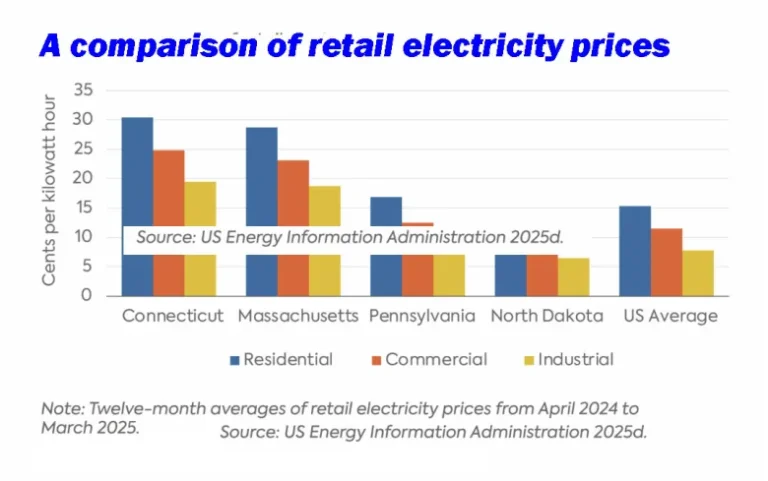
Connecticut needs an honest debate, and fresh thinking, to shape a climate strategy fit for today, not 2022.