Trump, China and 300 billion barrels of Venezuelan oil
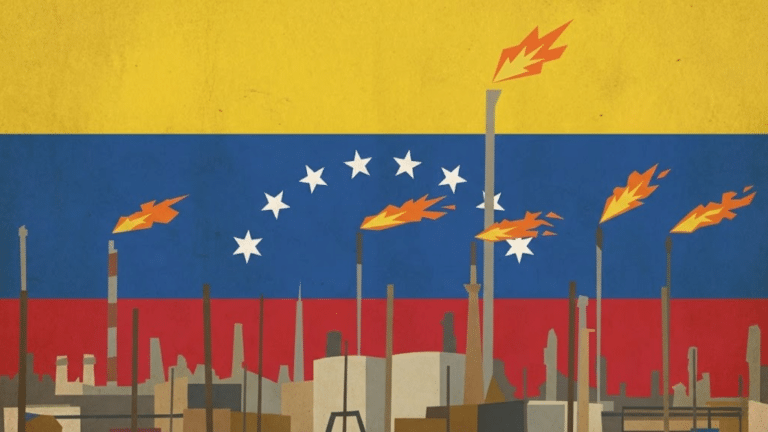
As the US powers ahead with its plans to recover Latin America’s ‘oil El Dorado’, we explore Venezuela’s environmental and geopolitical outlook
Current Access Level “I” – ID Only: CUID holders, alumni, and approved guests only
This website uses cookies as well as similar tools and technologies to understand visitors’ experiences. By continuing to use this website, you consent to Columbia University’s usage of cookies and similar technologies, in accordance with the Columbia University Website Cookie Notice.
Our work is committed to independent and nonpartisan research that meets the high standards of academic integrity and quality at Columbia University.
Our initiatives and programs are designed to address critical needs in key focus areas around energy and climate policy.
Explore our expert insights and analysis in leading energy and climate news stories.
As the US powers ahead with its plans to recover Latin America’s ‘oil El Dorado’, we explore Venezuela’s environmental and geopolitical outlook
Get the latest as our experts share their insights on global energy policy.
Venezuela holds 70% of Latin America's natural gas reserves, which it could export to Colombia and Trinidad to increase revenues.
Hear in-depth conversations with the world’s top energy and climate leaders from government, business, academia, and civil society.
From the affordability crisis and the data center boom, to the US government’s campaign to reinvigorate the Venezuelan oil market, energy is dominating headlines in unusual ways. And...

Find out more about our upcoming and past events.
The Center on Global Energy Policy at Columbia University SIPA's Women in Energy initiative and Accenture invite you to join us for an evening of conversation and networking...
We are the premier hub and policy institution for global energy thought leadership. Energy impacts every element of our lives, and our trusted fact-based research informs the decisions that affect all of us.
Dr. Peter Swift is a consulting geoscientist with over 30 years of experience in radioactive waste disposal. He was formerly a Senior Scientist at Sandia National Laboratories in Albuquerque, New Mexico, where he served as the National Technical Director of the Department of Energy’s Office of Nuclear Energy Spent Fuel and Waste Science and Technology R&D Campaign and its predecessor, the Used Fuel Disposition Campaign, from 2011 until 2020. He has worked on evaluating the technical basis for both the Waste Isolation Pilot Plant in New Mexico and the proposed Yucca Mountain repository in Nevada, where he was the manager of the Total System Performance Assessment and then subsequently the Lead Laboratory’s Chief Scientist during the preparation and submittal of the DOE’s 2008 License Application to the Nuclear Regulatory Commission. He also has experience in oil and gas exploration. Dr. Swift received a Ph.D. in Geosciences from the University of Arizona in 1987, Master’s and Bachelor’s degrees in Geology from the University of Wyoming in 1982 and 1980, and a B.A. in English from Yale University in 1974.
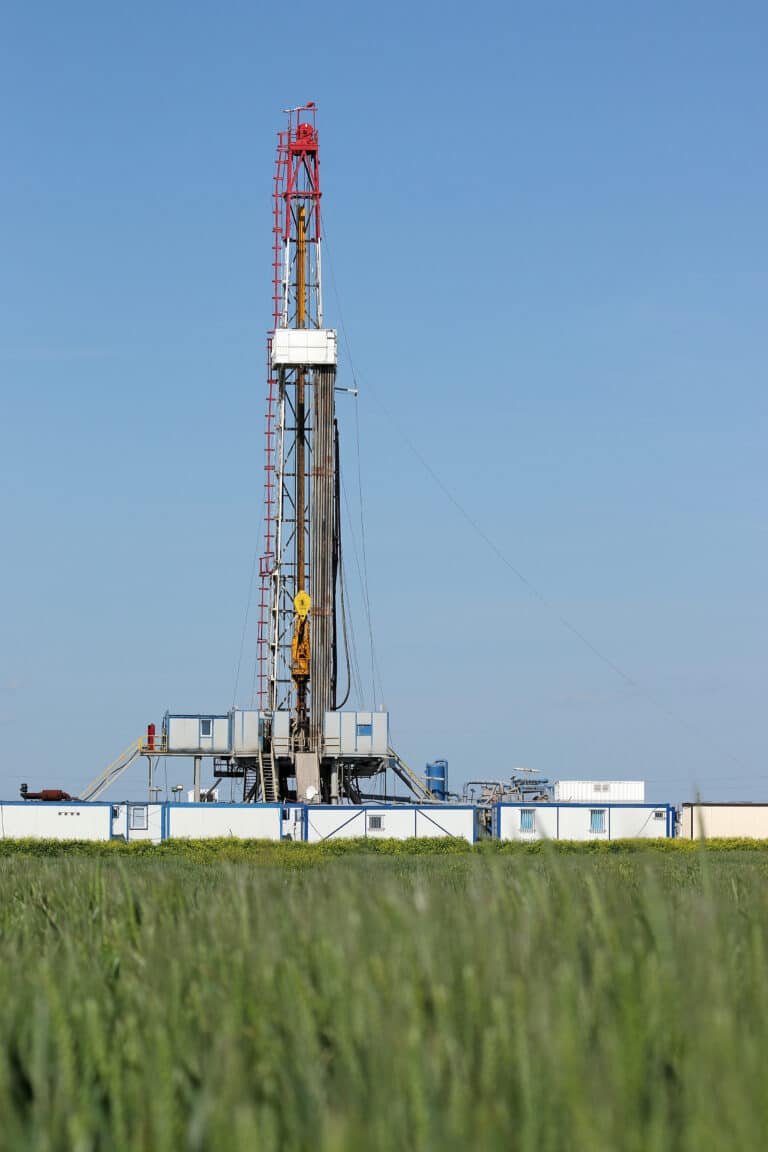
Deep borehole disposal of high-level radioactive waste has been proposed repeatedly and in multiple countries over the last several decades, but the concept remains unproven in the field.
Get the latest news and research on energy & climate policy.
"(required)" indicates required fields