View / Hormuz limbo is now global oil’s top risk
Lost supply and a projected demand rebound have placed the oil market in a fragile equilibrium.
This website uses cookies as well as similar tools and technologies to understand visitors’ experiences. By continuing to use this website, you consent to Columbia University’s usage of cookies and similar technologies, in accordance with the Columbia University Website Cookie Notice.
Our work is committed to independent and nonpartisan research that meets the high standards of academic integrity and quality at Columbia University.
Our initiatives and programs are designed to address critical needs in key focus areas around energy and climate policy.
Explore our expert insights and analysis in leading energy and climate news stories.
Lost supply and a projected demand rebound have placed the oil market in a fragile equilibrium.
Get the latest as our experts share their insights on global energy policy.
The ongoing disruption of oil exports through the Strait of Hormuz has caused a substantial decline in China's crude oil imports.
Hear in-depth conversations with the world’s top energy and climate leaders from government, business, academia, and civil society.
Abundance and affordability have become buzzwords among policymakers, who often have sharply different interpretations of how to attain them. To some, an energy abundance agenda means fewer regulatory...
Find out more about our upcoming and past events.
Join industry leaders, innovators, employers, and emerging talent for an evening exploring the technologies, trends, and career opportunities shaping the future of climate tech.
We are the premier hub and policy institution for global energy thought leadership. Energy impacts every element of our lives, and our trusted fact-based research informs the decisions that affect all of us.
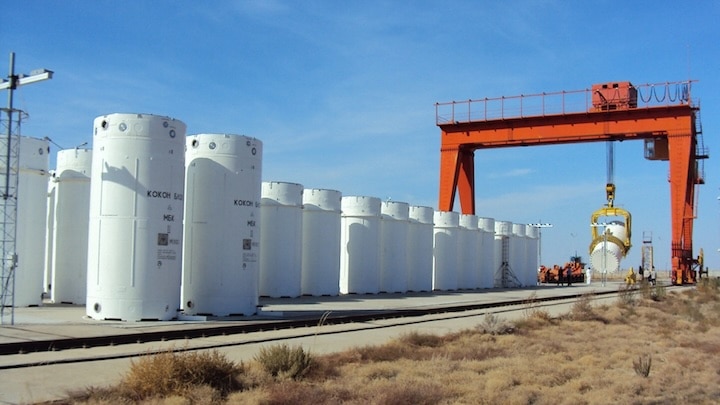
Concerns about greenhouse gas emissions, air pollution, and energy security are driving increased interest in nuclear power.
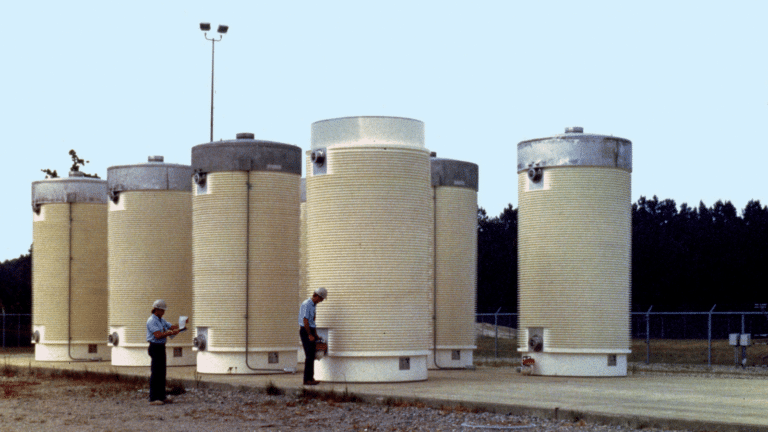
On March 31, 2025, the Center on Global Energy Policy (CGEP) at Columbia University SIPA hosted a private virtual roundtable under the Chatham House rule to discuss the advantages and disadvantages of the United States pursuing disposal of defense high-level nuclear waste (HLW) and spent nuclear fuel (SNF) before commercial SNF.
Nuclear power is being weighed in energy transition plans around the world, as countries seek to replace fossil fuels with low-carbon alternatives while also meeting growing energy demand and maintaining reliability and affordability.
Get the latest news and research on energy & climate policy.
"(required)" indicates required fields