Could a strategic lithium reserve kickstart US supply chain development?
NEW YORK -- A strategic lithium reserve is being mooted as a solution to stabilize volatile prices that have hindered American mining projects, allowi
Current Access Level “I” – ID Only: CUID holders, alumni, and approved guests only
Get the latest as our experts share their insights on global energy policy.
This Energy Explained post represents the research and views of the author(s). It does not necessarily represent the views of the Center on Global Energy Policy. The piece...

Hear in-depth conversations with the world’s top energy and climate leaders from government, business, academia, and civil society.
If it seems like you're hearing a lot more about geothermal energy lately, that's because this clean, firm energy source is at a technological turning point. With roots...
Find out more about our upcoming and past events.
The Center on Global Energy Policy at Columbia University SIPA's Women in Energy initiative and Accenture invite you to join us for an evening of conversation and networking...

Commentary by , , • June 02, 2014
Following are comments from Jason Bordoff, founding director of Columbia University’s Center on Global Energy Policy and former energy advisor to the White House for the Obama administration, on the EPA’s proposed guidelines to cut carbon pollution from existing power plants:
“Today’s announcement that President Obama will use his existing authority to reduce harmful carbon pollution from power plants represents the most important action the U.S. has taken to date to address the devastating impacts of climate change. Implementing these standards will enable the U.S. to meet our carbon reduction goals, demonstrate international leadership in addressing climate change, and spur the growth of cleaner forms of energy and jobs in certain sectors. The proposal is not a one-size-fits-all approach, leaving states significant flexibility to meet the standards in a way that works best for each state, and has very large benefits from reducing pollution that vastly exceed its costs. The proposed rule shows President Obama’s deep commitment to making lasting change for future generations.”
On November 6, 2025, in the lead-up to the annual UN Conference of the Parties (COP30), the Center on Global Energy Policy (CGEP) at Columbia University SIPA convened a roundtable on project-based carbon credit markets (PCCMs) in São Paulo, Brazil—a country that both hosted this year’s COP and is well-positioned to shape the next phase of global carbon markets by leveraging its experience in nature-based solutions.
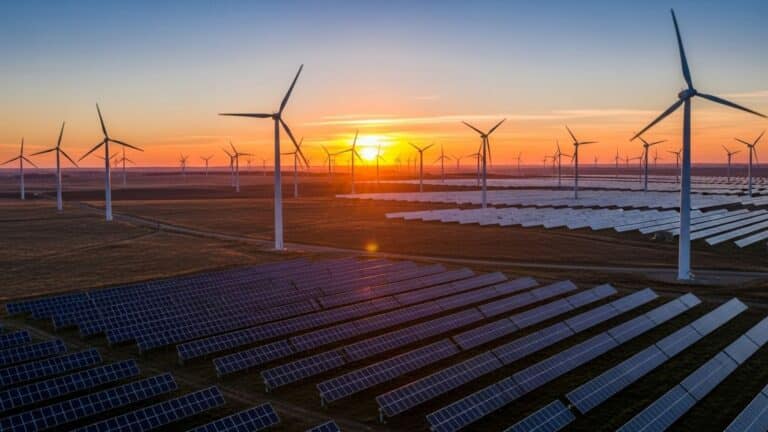
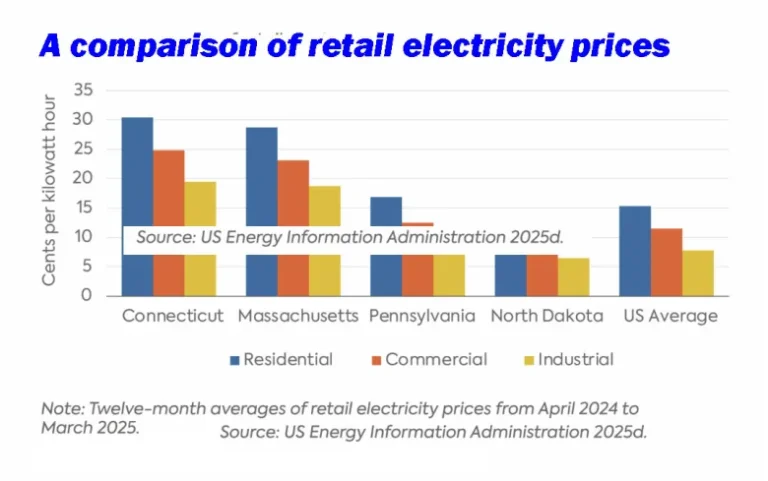
Connecticut needs an honest debate, and fresh thinking, to shape a climate strategy fit for today, not 2022.
Full report
Commentary by , , • June 02, 2014