Could a strategic lithium reserve kickstart US supply chain development?
NEW YORK -- A strategic lithium reserve is being mooted as a solution to stabilize volatile prices that have hindered American mining projects, allowi
Current Access Level “I” – ID Only: CUID holders, alumni, and approved guests only
Get the latest as our experts share their insights on global energy policy.
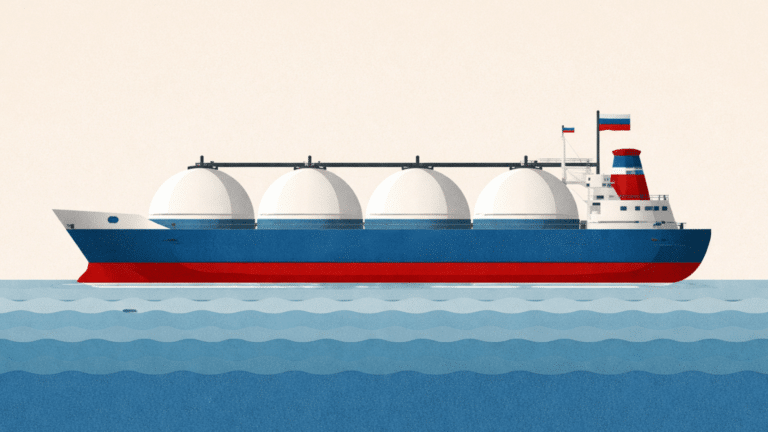
Geopolitical uncertainty associated with Russian gas exports could swing the range of those exports by an estimated 150 bcm per year.
Hear in-depth conversations with the world’s top energy and climate leaders from government, business, academia, and civil society.
If it seems like you're hearing a lot more about geothermal energy lately, that's because this clean, firm energy source is at a technological turning point. With roots...
Find out more about our upcoming and past events.
The Center on Global Energy Policy at Columbia University SIPA's Women in Energy initiative and Accenture invite you to join us for an evening of conversation and networking...

Past Event
May 12, 2022
12:00 pm - 1:00 pm
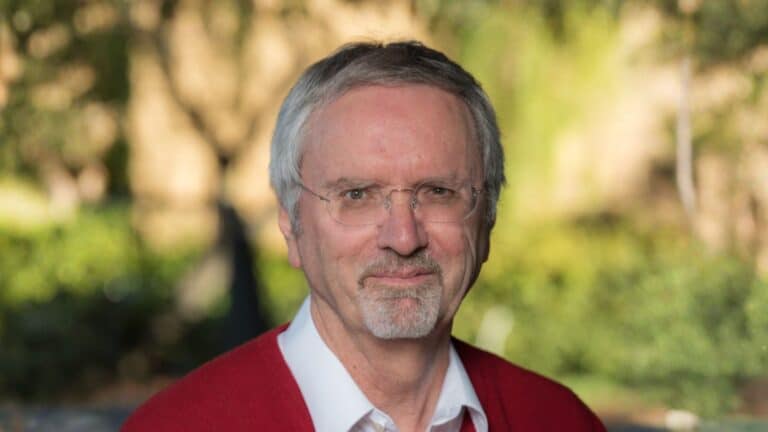
The Center on Global Energy Policy hosted Dr. Jessika Trancik, Professor at the Institute for Data, Systems, and Society at the Massachusetts Institute of Technology, for a fireside chat with Dr. Geoffrey M. Heal, Donald C. Waite III Professor of Social Enterprise at Columbia Business School discussing the state of clean energy technology today in relation to climate change mitigation goals. Dr. Trancik drew on insights from her research on evaluating technologies against societal goals and disentangling the mechanisms of innovation.
During the course of the conversation, the following questions were explored:
—
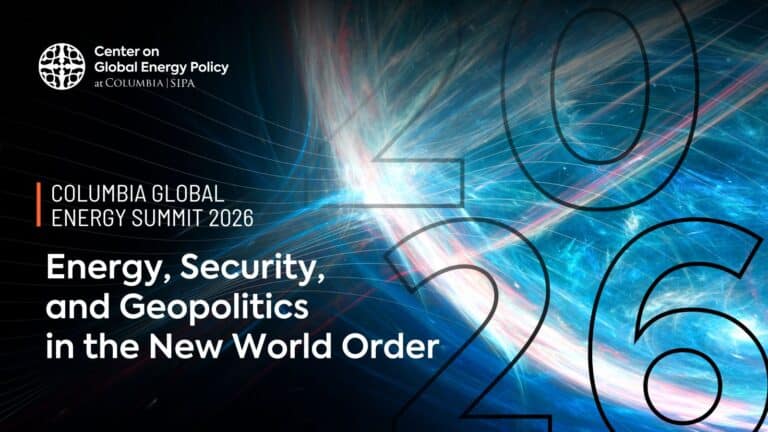
The Columbia Global Energy Summit 2026 is an annual event dedicated to thought-provoking discussions around the critical energy and climate challenges facing the global community.
This event is open to Columbia University students only. Join the Center on Global Energy Policy’s Women in Energy initiative for an interactive discussion on human rights and...
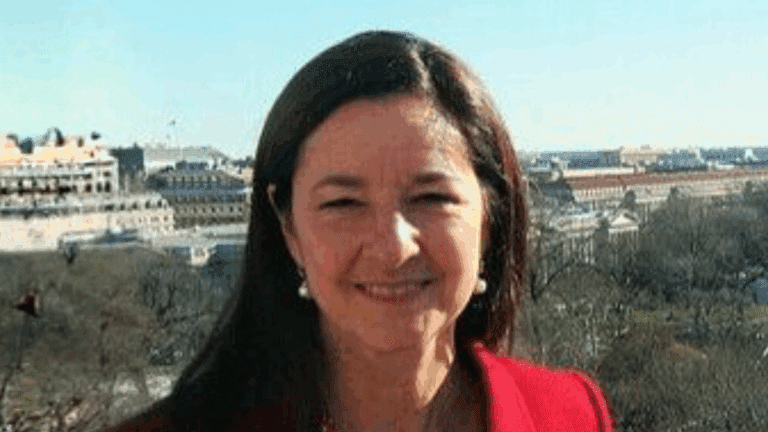
*Registration is closed for this event. The Center on Global Energy Policy at Columbia University SIPA's Women in Energy initiative, in collaboration with the Columbia Policy Institute, invites...

While various efforts continue to be made to estimate fashion’s environmental footprint, major gaps remain in how to decarbonize material production and reshape business practices.

On November 6, 2025, in the lead-up to the annual UN Conference of the Parties (COP30), the Center on Global Energy Policy (CGEP) at Columbia University SIPA convened a roundtable on project-based carbon credit markets (PCCMs) in São Paulo, Brazil—a country that both hosted this year’s COP and is well-positioned to shape the next phase of global carbon markets by leveraging its experience in nature-based solutions.
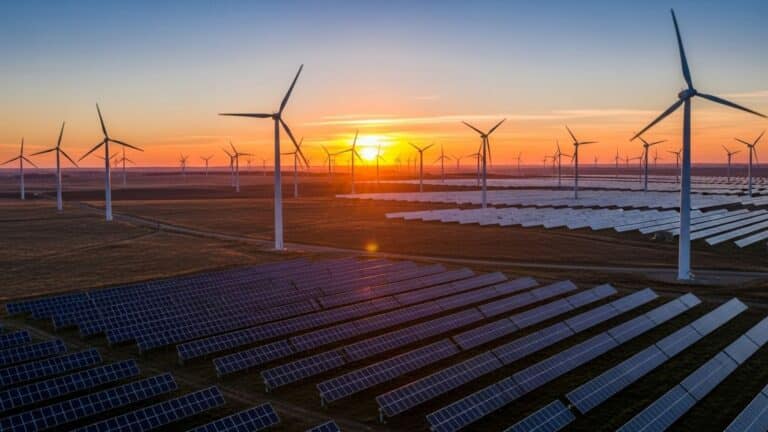
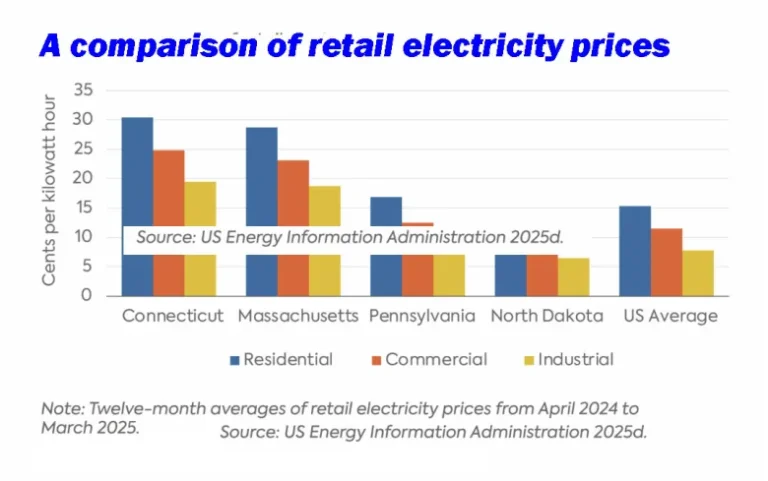
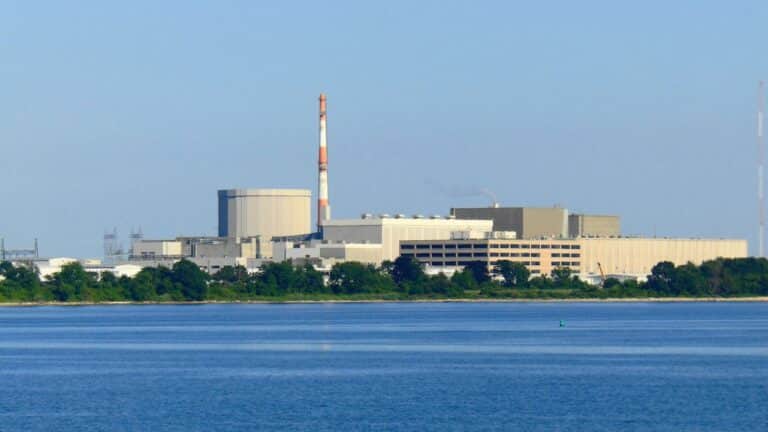
Connecticut needs an honest debate, and fresh thinking, to shape a climate strategy fit for today, not 2022.