Power prices are expected to soar under new tax cut and spending law
In states without policies to drive renewable energy, power prices could surge as federal tax incentives for clean energy disappear, according to Energy Innovation, a think tank.
Current Access Level “I” – ID Only: CUID holders, alumni, and approved guests only
Get the latest as our experts share their insights on global energy policy.
This special CGEP blog series, featuring six contributions from CGEP scholars, analyzes the potential impacts of the OBBBA across a range of sectors.
Hear in-depth conversations with the world’s top energy and climate leaders from government, business, academia, and civil society.
Many parts of the US have experienced brutal, deadly heat in recent weeks—and there’s plenty of summer left. Intense rainfall, made more likely by warming, dropped more than...

Global energy systems – and companies around the globe — face the dual challenges of meeting growing demand and moving to carbon neutrality by the middle of this century. Please join the Center on Global Energy Policy for a presentation by one of the leading global energy companies of its projections to 2040. BP’s Group Chief Economist, Spencer Dale, will present key findings from the 2019 BP Energy Outlook. Following his presentation, he will join Shayle Kann, CGEP Non-Resident Fellow and Senior Vice President for Research and Strategy at Energy Impact Partners, and Katherine Spector, CGEP Research Scholar, on a panel moderated by Jonathan Elkind, CGEP Senior Research Scholar. Guests unable to attend in person can view a livestream of the event at energypolicy.columbia.edu/livestream. This event is open to press. Please direct media inquiries to Artealia Gilliard ([email protected]). For more information contact: [email protected].
A legacy of costs from oil and gas production will remain long after achieving a net-zero future. The Center on Global Energy Policy (CGEP) at Columbia University's School...
https://www.youtube.com/watch?v=0pzw82IwDm0 Please join the Center on Global Energy Policy at Columbia University’s School of International and Public Affairs for this discussion series on how the application of Artificial...
The Center on Global Energy Policy (CGEP) at Columbia SIPA hosted a discussion on the policy and investment choices of national oil companies in the energy transition.
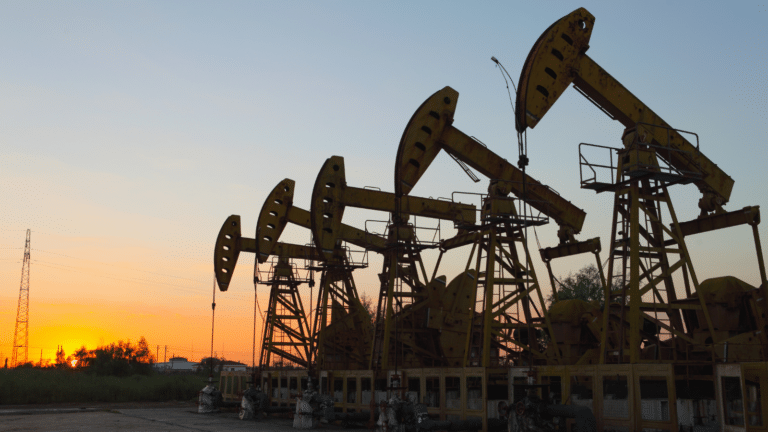
Register to attend in person in NYC Register for the live stream A legacy of costs from oil and gas production will remain long after achieving a net-zero...
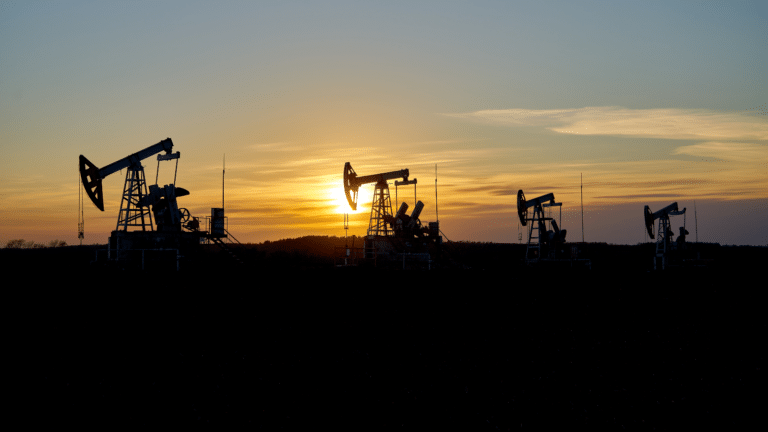
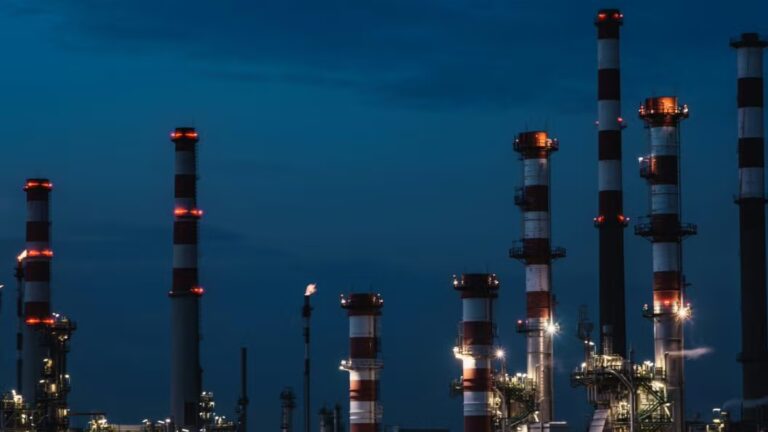
Earlier this month, China convened its “two sessions”—the annual concurrent meetings of the National People’s Congress (NPC), China’s legislature, and the Chinese People’s Political Consultative Congress, a political advisor body.
During a speech at the World Economic Forum in Davos last month, President Donald Trump urged Saudi Arabia and OPEC to increase oil production to lower prices and exert economic pressure on Russia.