Morningside Campus Status Updates

Current Access Level “I” – ID Only: CUID holders, alumni, and approved guests only

  • Read more about the campus status level system and campus access information.

News

Explore our expert insights and analysis in leading energy and climate news stories.

Energy Explained

Get the latest as our experts share their insights on global energy policy.

Podcasts

Hear in-depth conversations with the world’s top energy and climate leaders from government, business, academia, and civil society.

Events

Find out more about our upcoming and past events.

About Us

We are the premier hub and policy institution for global energy thought leadership. Energy impacts every element of our lives, and our trusted fact-based research informs the decisions that affect all of us.

Climate Change

Global Energy Dialogue: The Future of Marine Transportation

Summaries by Antoine Halff • August 10, 2017

DOWNLOAD THE FULL MEMORANDUM [PDF]

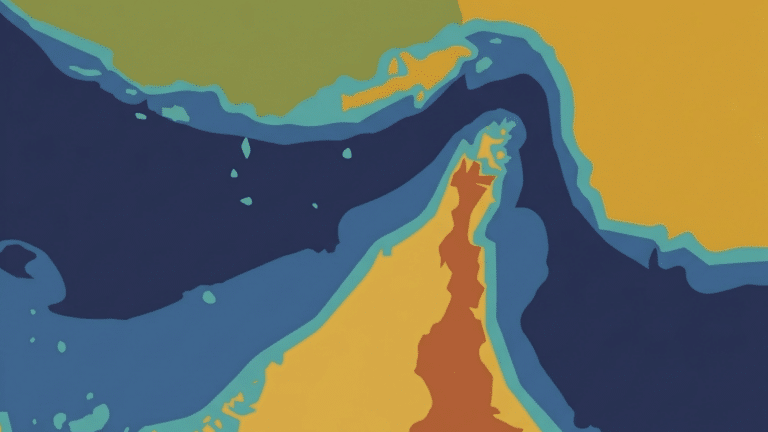
The International Maritime Organization’s (IMO) decision to slash sulfur emission from ships as of 2020,  confirmed last October, carries implications that go well beyond the shipping industry and could send shockwaves through crude and product markets, the refining industry, and LNG and gas markets, among others. As the deadline nears, the path to compliance is only getting foggier, as the costs and benefits of the various options available to shippers to meet the new standards—switching to lower-sulfur fuel oil, converting to LNG, or scraping emissions with on-board abatement systems—vary greatly depending on how much of the fleet adopts them. This incentivizes industry participants to delay their plans for meeting the standards, at the risk of running out of time—and thus only heightens the already high chances of noncompliance. To shed light on these complex issues and assess the market’s preparedness, the Center on Global Energy Policy, in partnership with Axelrod Energy Projects and the Royal United Services Institute, gathered a select group of senior energy leaders from the public and private sectors for a roundtable conversation in London on February 20, 2017. Dr. Edmund Hughes, Head of Air Pollution and Energy Efficiency at the IMO, keynoted the meeting. The following is a summary of some of the points touched upon in the discussion, which was held under the Chatham House rule, except for Dr. Hughes’s remarks, which he agreed to make public.


For more on this topic:

Slow Steaming to 2020:  Innovation and Inertia in Marine Transport and Fuels

Global Energy Dialogue Report: Sulfur Regulations on the High Seas



Our Work

Relevant
Publications

Regulatory Progress for Project-Based Carbon Credit Markets: Pre-COP30 Roundtable Summary

On November 6, 2025, in the lead-up to the annual UN Conference of the Parties (COP30), the Center on Global Energy Policy (CGEP) at Columbia University SIPA convened a roundtable on project-based carbon credit markets (PCCMs) in São Paulo, Brazil—a country that both hosted this year’s COP and is well-positioned to shape the next phase of global carbon markets by leveraging its experience in nature-based solutions.

Summaries by Gautam Jain, Preetha Jenarthan, Victoria Prado + 3 more • December 04, 2025
Regulatory Progress for Project-Based Carbon Credit Markets: Pre-COP30 Roundtable Summary
See All Work
Climate Change

Global Energy Dialogue: The Future of Marine Transportation

Summaries by Antoine Halff • August 10, 2017