This website uses cookies as well as similar tools and technologies to understand visitors’ experiences. By continuing to use this website, you consent to Columbia University’s usage of cookies and similar technologies, in accordance with the Columbia University Website Cookie Notice.
Energy Explained
Get the latest as our experts share their insights on global energy policy.
How DOE’s Announcement on Data Centers Could Impact the Grid
The US Secretary of Energy Chris Wright has directed the Federal Energy Regulatory Commission to make a rule that would help rapidly move electricity onto the US grid in large amounts.

Podcasts
Hear in-depth conversations with the world’s top energy and climate leaders from government, business, academia, and civil society.
Amy Harder on Climate and Energy Reporting
The national conversation around climate change is shifting. There’s more focus on energy affordability and demand, as well as on the dual role artificial intelligence plays as both...

Events
Find out more about our upcoming and past events.
December 10, 2025
• 12:00 pm - 1:00 pm
est
Responsible Mining in Latin America: The Extractive Transition and Social License, a Crossroad for the Andean Region
The event is for CUID holders only. Please note: space is limited. The Center on Global Energy Policy at Columbia University SIPA invites Columbia University students to a...
Event
• Large Conference Room
Center on Global Energy Policy
Center on Global Energy Policy

Podcast
Fracking, Sustainability & an Unorthodox Quest to Save the Planet
November 8, 2019
He’s known as the father of fracking. And while the designation may not be quite right, there’s no doubt that George P. Mitchell set the stage for a revolution in natural gas and oil production in the United States through hydraulic fracturing of shale formations. So, what made this man tick and what lessons might policymakers and industry leaders learn from him today?
In this edition of Columbia Energy Exchange, host Bill Loveless talks with Loren Steffy, the author of a new book from Texas A&M University Press called “George P. Mitchell: Fracking, Sustainability, and an Unorthodox Quest to Save the Planet.” Loren is writer-at-large for Texas Monthly and a former business columnist for the Houston Chronicle. Before that, he was the Dallas bureau chief and senior writer for Bloomberg News.
The book is Loren’s latest of three, including one that explored the Deepwater Horizon oil spill in the Gulf of Mexico in 2010.
Of the late George P. Mitchell, Loren says, “not since John D. Rockefeller had one single individual in the energy business made a greater public impact.” He tells a story of the son of Greek immigrants who built Mitchell Energy and Development Corporation from a small start-up into a pioneering company that enabled the commercial success of hydraulic fracturing in the U.S.
Bill reached Loren by phone at his home outside Austin, Texas, to discuss this fascinating figure, his contributions to fracking, the financial hardships his company endured to bring them about and the extent to which the government assisted those efforts. They also talked about Mitchell’s strong commitment to sustainable development, which sometimes put him at odds with his peers in the gas and oil industry.
More Episodes
Amy Harder on Climate and Energy Reporting
The national conversation around climate change is shifting. There’s more focus on energy affordability and demand, as well as on the dual role artificial intelligence plays as both...
In a Charged Environment, FERC Faces Demands for Energy
The Federal Energy Regulatory Commission (FERC) regulates the United States’ energy transmission, pipeline networks, and wholesale rates for electricity. For much of its history, FERC was a little-known...
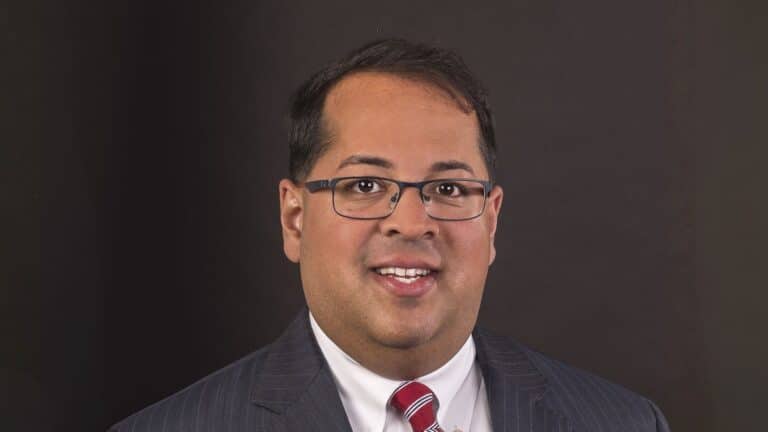
World Energy Outlook 2025: Navigating Divergent Futures
Around the globe, and here in the United States, energy markets face huge uncertainties. They include everything from rising geopolitical tensions to a wave of new liquefied natural...
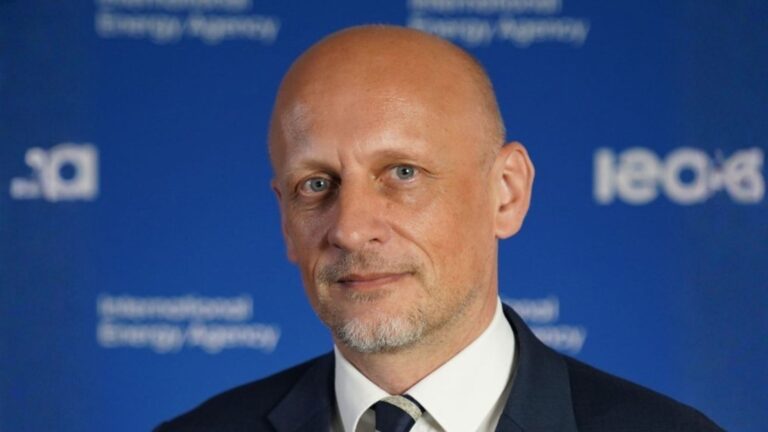
Building Energy Policy on Evidence
Elected officials face huge challenges when it comes to energy policymaking. They have very little time to learn complicated, nuanced issues. They're bombarded by information — some of...

Relevant
Publications
Regulatory Progress for Project-Based Carbon Credit Markets: Pre-COP30 Roundtable Summary
On November 6, 2025, in the lead-up to the annual UN Conference of the Parties (COP30), the Center on Global Energy Policy (CGEP) at Columbia University SIPA convened a roundtable on project-based carbon credit markets (PCCMs) in São Paulo, Brazil—a country that both hosted this year’s COP and is well-positioned to shape the next phase of global carbon markets by leveraging its experience in nature-based solutions.
Summaries
by Gautam Jain, Preetha Jenarthan, Victoria Barreto Vieira do Prado + 3 more • December 04, 2025
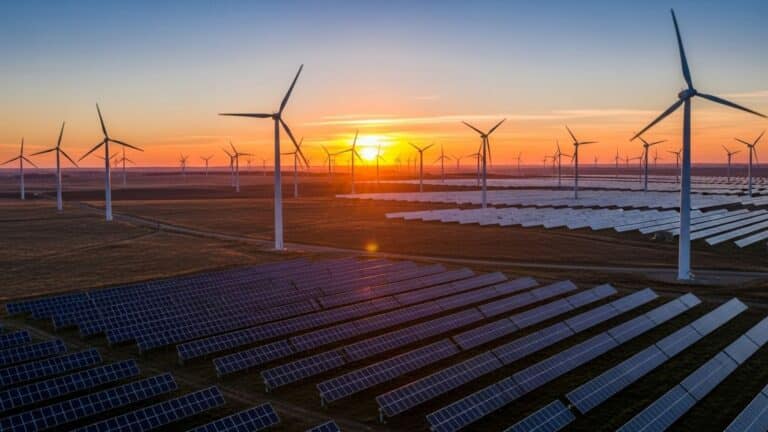
America’s Toothless Sanctions on Russian Oil
Last month, the Trump administration imposed fresh sanctions on Russia’s two largest oil companies, Rosneft and Lukoil, signaling a renewed desire to drive Moscow to the negotiating table in its war against Ukraine. But although these measures have the potential to harm the Russian economy, just how much damage they inflict will depend largely on one actor: Beijing. China bought almost half the oil Russia exported in 2024, evading Washington’s existing restrictions in the process. And new sanctions alone will do little to push China into significantly reducing its purchases.

What the Global Electric Vehicle Market Signals for US Automakers and Policymakers
Commentary
by Pierpaolo Cazzola • November 24, 2025

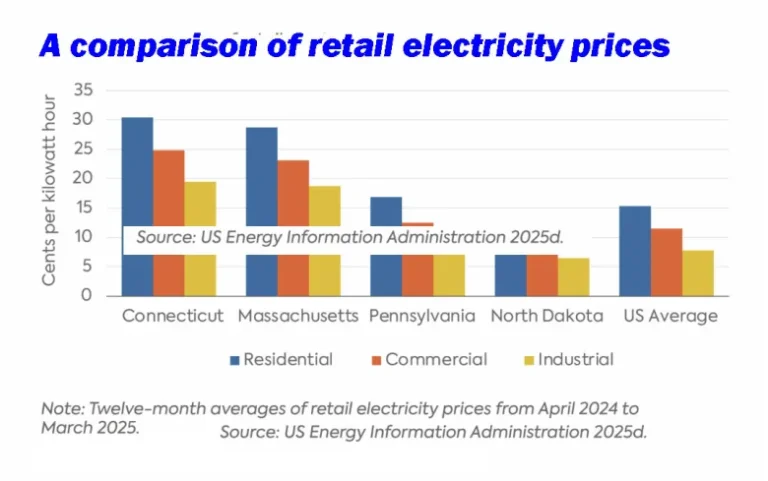
Opinion: Time for CT to rethink its climate strategy
Connecticut needs an honest debate, and fresh thinking, to shape a climate strategy fit for today, not 2022.