Did Carbon Actually Score A Quiet Win In Congress?
When Congress approved the Fiscal Year 2026 spending bills last month, many in the carbon sector braced for cuts but reality appears more optimistic.
Current Access Level “I” – ID Only: CUID holders, alumni, and approved guests only
This website uses cookies as well as similar tools and technologies to understand visitors’ experiences. By continuing to use this website, you consent to Columbia University’s usage of cookies and similar technologies, in accordance with the Columbia University Website Cookie Notice.
Our work is committed to independent and nonpartisan research that meets the high standards of academic integrity and quality at Columbia University.
Our initiatives and programs are designed to address critical needs in key focus areas around energy and climate policy.
Explore our expert insights and analysis in leading energy and climate news stories.
When Congress approved the Fiscal Year 2026 spending bills last month, many in the carbon sector braced for cuts but reality appears more optimistic.
Get the latest as our experts share their insights on global energy policy.
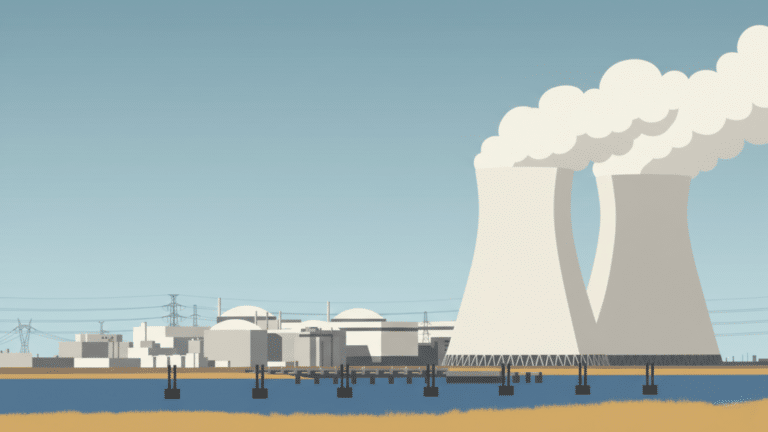
The United States is at a rare inflection point for nuclear energy, with unprecedented momentum behind deployment and regulatory reform as nuclear becomes central to energy security, AI competitiveness, and state and corporate climate goals.
Hear in-depth conversations with the world’s top energy and climate leaders from government, business, academia, and civil society.
As political support for clean energy has waxed and waned over the past twenty years, so has the government’s financial backing. In the 2010s, critics pointed to the...
Find out more about our upcoming and past events.
This workshop will be conducted in two parts: Part one on February 16 from 1:00 PM to 2:00 PM EST, and Part two on February 18 from 1:00 PM to...
We are the premier hub and policy institution for global energy thought leadership. Energy impacts every element of our lives, and our trusted fact-based research informs the decisions that affect all of us.
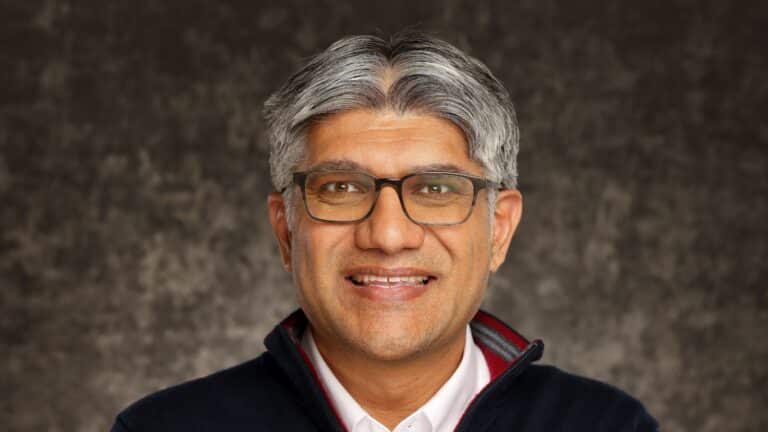
Stanley-Thompson Associate Professor of Chemical Metallurgy, Co-Director of the Columbia Electrochemical Energy Center

Dan Steingart is the Stanley-Thompson Associate Professor of Chemical Metallurgy in the Departments of Earth and Environmental Engineering and Chemical Engineering at Columbia University, and the Co-Director of the Columbia Electrochemical Energy Center. Previously he was an associate professor in the Department of Mechanical and Aerospace Engineering and the Andlinger Center for Energy and the Environment at Princeton University and before than an Assistant Professor of Chemical Engineering at the City College of the City University of New York.
His group studies the interactions between materials and systems in electrochemical reactors with a focus on energy storage devices. His current research looks to exploit traditional failure mechanisms and “unwanted” interactions with batteries for systematic understanding and device enhancement. His efforts in this area over the last decade have been adopted by various industries and have led directly or indirectly to five electrochemical energy related startup companies, the latest being Feasible, an effort dedicated to exploiting the inherent acoustic responses of closed electrochemical systems.
Get the latest news and research on energy & climate policy.
"(required)" indicates required fields