Prix des carburants : pourquoi les raffineries sont au cœur de la tempête
Plus que d'un problème pétrolier, la flambée des prix du carburant résulte de tensions sur les capacités mondiales de raffinage.
Get the latest as our experts share their insights on global energy policy.
Last week's summit between US President Trump and Chinese President Xi was the second meeting between the two leaders since the US and Israel attacked Iran.
Hear in-depth conversations with the world’s top energy and climate leaders from government, business, academia, and civil society.
Carbon credit markets have become one of the most hotly debated tools in the fight against climate change. Supporters call them essential to closing the gap between corporate...

Find out more about our upcoming and past events.
Apply to Register The Center on Global Energy Policy at Columbia University SIPA’s Women in Energy initiative invites Columbia University students to a roundtable discussion with Pam Brown,...

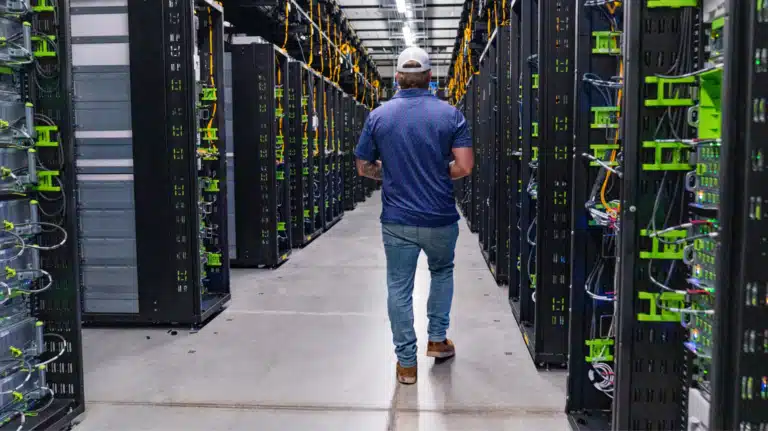
A Straight Arrow investigation finds gray areas around the question of who pays for new power infrastructure when a data center comes to town.
Columbia researchers highlight DLR, FACTS, phase-shifting transformers and advanced conductors as near-term options
The technology is setting new records but is facing federal headwinds from rules aiming to restrict equipment imports from China.
“Rather than viewing grid expansion and affordability as competing priorities, utilities increasingly have an opportunity to advance both simultaneously by extracting more value from the transmission assets already in service.”
The combination of growing political pressure on AI companies and their need for a reliable and quickly expanding grid presents an opportunity to change who plans and finances American power.
After decades without growth, electricity demand is surging, driven by energy-hungry data centers, new energy-intensive manufacturing facilities, and the increasing electrification of transportation and heating.
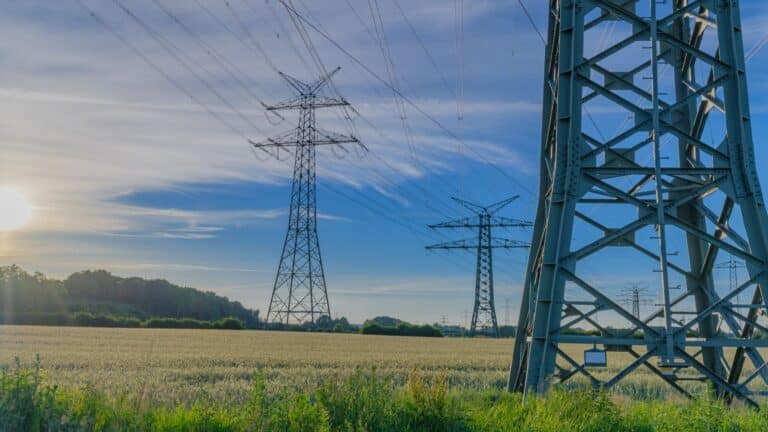
Data centers face growing local opposition as states impose moratoriums on hyperscale projects and grid connections. Communities can negotiate deals for tax revenue and jobs.
When the One Big Beautiful Bill Act was enacted, a widespread reading was that US power-sector decarbonization had been derailed.